
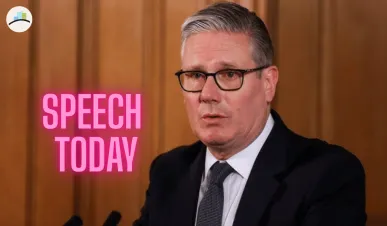
UK Prime Minister Sir Keir Starmer took to the podium on May 11, 2026, to deliver a pivotal address aimed at restoring confidence in his leadership after a historic downturn in support for the Labour Party in the recent local elections. The speech broadcast live and widely discussed online comes amid growing internal pressure from Labour MPs and public calls for a leadership contest if Starmer doesn’t change course.
Starmer’s message was clear: he refuses to quit and aims to reset Labour’s direction, confront rising political rivals like Reform UK and the Green Party, and outline a vision for Britain’s future.
As everyone waits for Keir Starmer to address the nation and resign, Wes Streeting is polishing his butt plug knowing his time is a'coming.
— MrBounceBack.com (@Bounce_BackLoan) May 10, 2026
But will Andy Burnham pounce and snatch Streeting's tiara at the last minute? It's all very exciting. pic.twitter.com/0ou4cBZW0t
What Time Was Starmer’s Speech and Why It Matters
Starmer’s speech was delivered on Monday morning (UK time) in response to mounting backlash from local election defeats, in which Labour lost thousands of local seats and control of several councils. It was widely covered by major broadcasters, including BBC and news outlets.
The address was framed as a make‑or‑break moment for his leadership amid dissent from within his own party some of whom have pressured him to resign.
Key Points From Starmer’s Leadership Speech
In a strongly worded address, Starmer acknowledged Labour’s poor performance but refused to walk away from the challenges facing the nation:
- He pledged to defend and rebuild the party, framing the moment as a critical battleground for Britain’s future.
- Starmer attacked populist movements on both the right and left, positioning Labour as the “mainstream party of power, not protest.”
- He underscored ambitious policy priorities including nationalizing British Steel, strengthening ties with the European Union, and launching youth support programs.
- He warned against replacing him with a leadership change that could bring political instability or “chaos” to the UK.
Starmer also responded directly to critics within Labour, including senior figures and backbench MPs calling for new leadership.
What Led to This Leadership Crisis
The speech follows devastating results in the May 7 local elections, where Labour suffered its worst performance in decades losing traditional strongholds across England, Scotland, and Wales. These outcomes have emboldened rivals such as Reform UK and the Green Party, while prompting senior Labour figures to question Starmer’s strategy and vision.
Labour MPs like Catherine West have publicly threatened to gather the support needed to trigger a leadership election unless Starmer sets out a clearer path forward.
Is There a Labour Leadership Election Now?
Officially, no leadership election has been triggered yet. Under Labour Party rules, any leadership challenge requires backing from 20% of Labour MPs (around 81 lawmakers) to force a contest and while dozens have voiced dissent, that threshold has not been reached publicly.
Figures like Wes Streeting, Angela Rayner and Andy Burnham have been mentioned as potential successors should a formal leadership contest take place, but none has formally launched a bid or gathered the necessary support.
MORE ARTICLES:
Why This Speech Matters for Britain
Beyond internal party dynamics, Starmer’s speech is seen as a turning point for Labour’s identity and strategy:
- It signals a willingness to reshape policy priorities and confront emerging political forces.
- It acknowledges that core messages may not have connected with voters.
- It attempts to reassure both the electorate and Labour MPs that he remains committed to national leadership.
Starmer’s future as both Labour leader and UK prime minister now hinges on whether his vision resonates with MPs and the public as Britain prepares for further electoral tests.



