
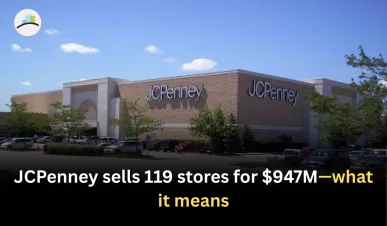
So, here's the scoop: JCPenney is selling 119 of its stores—yes, a big chunk of them—for nearly $947 million in cash. The buyer? A Boston-based private equity firm called Onyx Partners. This isn't about store closures. Instead, it's about separating the real estate ownership from the retail business. The company behind the stores—called Copper Property CTL Pass Through Trust—was set up after JCPenney filed for bankruptcy in 2020, and now it’s liquidating assets to pay back creditors.
Most people probably won’t feel this shift in a direct way, but it's intriguing to see how brick-and-mortar retail is evolving—and how real estate is now trading almost independently from business operations.
Why JCPenney Did This—and Why It Matters
JCPenney’s smart here: instead of shutting stores, they're selling the buildings while still operating them under lease. It helps the parent company raise cash (nearly a billion) without kicking customers or employees out. All 119 stores—many in big malls or high-traffic malls across 35 states—will continue running, handled by Onyx Partners. Average store size is about 133,000 square feet, and they’re triple-net leased, which means JCPenney still pays rent, utilities, and maintenance. That’s stable cash flow for the buyer.
This move is important because it shows how retail brands are restructuring. JCPenney keeps serving customers, while real estate investors take on property risk. Other department stores might follow this playbook.
What’s Not Being Said (But Should Be)
– Leases tied to the ground, not the store: JCPenney no longer owns the land, but keeps running its brand. If rentals rise or the brand underperforms, they could face rising costs or risk losing stores entirely.
– Employee and community impact: Most stores will stay open, but employees now have a landlord they didn’t choose. Local communities might see future rent hikes or redevelopment if Onyx changes plans down the line.
– Redevelopment potential: Retail properties like this are seen as “covered land play”—meaning future redevelopment is possible if retail falters. Think apartments, offices, or mixed-use malls.
Bigger Picture—Economics & Strategy
This deal connects to bigger trends:
-
Post-bankruptcy optimization: Since emerging from Chapter 11 with new owners in 2020, JCPenney has been scrambling to stay afloat—closing around 200 stores already, and now focusing on real estate as a revenue lever.
-
Catalyst Brands strategy: JCPenney is now part of Catalyst Brands—a group that includes rebranded assets like Aéropostale, Forever 21, and Brooks Brothers. Selling real estate helps fund that transformation.
-
Valuation play: Commercial real estate firms often like these deals because of stable, long-term leases with a large tenant. For Onyx Partners, this is predictable income without requiring heavy retail expertise.
Also read on Procapitas
Historical Parallels & Industry Risks
Many legacy retail chains have tried similar moves: splitting real estate from operations to raise capital. But it's risky. If retail sales drop or costs rise, tenants (like JCPenney) can struggle, tenants lose flexibility, and future redevelopment can slow. Also, retail foot traffic keeps shrinking as online shopping grows.
If Onyx gets aggressive with rents or redevelopment, it could add pressure to JCPenney’s already tight margins. Unlike outright store closures where customers stop shopping, here it’s more subtle—over time, poor location management or costs can shrink operations.



