
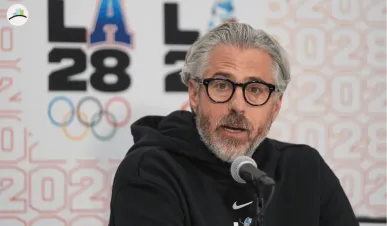
The massive release of Epstein files by the U.S. Department of Justice continues to reverberate across global institutions, raising questions about powerful figures named in the archives and igniting fresh controversy — from Casey Wasserman’s role as the head of the Los Angeles 2028 Olympic Organizing Committee to broader scrutiny of elite networks.
Casey Wasserman, current chairman of the 2028 LA Olympics organizing committee, emails to Ghislaine Maxwell appear in the latest Epstein files release. pic.twitter.com/1JY9s2HCAw
— grizzy (@Furbeti) January 30, 2026
Olympic Chief Casey Wasserman in the Spotlight
Newly disclosed documents have revealed personal emails from 2003 between Casey Wasserman, chairman of the LA28 Olympic Committee, and convicted sex trafficker Ghislaine Maxwell. The exchanges, which predate Maxwell’s criminal conviction, included suggestive content that Wasserman has publicly expressed regret over, emphasizing that the communications occurred long before Maxwell’s crimes were known and maintaining he never had a direct relationship with Jeffrey Epstein.
Despite this, local politicians in Los Angeles have called for Wasserman’s resignation, arguing the controversy casts a shadow over the city’s preparations for the 2028 Summer Olympics and distracts from the spirit of the Games. Supporters within the sports establishment, including the U.S. Olympic & Paralympic Committee, have stood by him so far.
IOC Reacts to Distraction Ahead of Major Games
The International Olympic Committee has largely avoided direct intervention, with IOC officials characterizing the situation as a regrettable distraction rather than a direct challenge to Olympic leadership. They stress that internal committee matters remain separate from governance of the Olympic movement itself, even as the disclosures occur just as global attention focuses on major competitions like the Winter Olympics.
What the Epstein Files Reveal About Powerful Figures
The newly released files form part of a multi‑million‑page collection of documents that include emails, photos, and other material connected to Epstein and his network of associates. These documents have shown names of high‑profile people across business, politics, technology, and entertainment — including legal exchanges or mentions that have shocked the public without implying wrongdoing.
Some individuals named in the files, like tech innovators and global leaders, have issued strong denials of any inappropriate conduct. For example, Bill Gates firmly rejected any claims tied to him from the documents, calling them “absurd.” Meanwhile others have faced renewed scrutiny over the nature of their ties to Epstein or his social circle.
MORE ARTICLES:
Broader Impact and Ongoing Debate
The Epstein files’ continuing release has sparked debate about transparency, accountability, and how high‑profile figures intersect with contentious global issues. As further documents trickle out, organizations from sports federations to corporate boards may confront reputational challenges. Meanwhile, the Los Angeles Olympic leadership controversy highlights broader questions about ethics and trust, even as preparations continue for the 2028 Games.
In this unfolding story, one thing is clear: the Epstein files continue to shape public discourse and test institutions long after Epstein’s death, with ripple effects across sectors including international sports and global leadership circles.



