
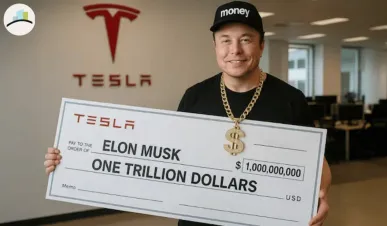
In a move that’s set to shake up corporate compensation standards, Elon Musk has received approval for a record-breaking $1 trillion pay package from Tesla’s shareholders. The deal, which could unlock huge financial rewards for Musk, is tied to ambitious performance goals that could transform Tesla and elevate Musk to a trillionaire status, making him the richest person in history.
This compensation package is unlike anything seen before in corporate history, and its approval has sent shockwaves through both the business and investment worlds. While the deal is undoubtedly massive, it also represents Musk’s continued commitment to Tesla’s long-term success and innovation. But what exactly does this deal mean for Tesla and Musk, and how will it affect investors and the broader market?
What Does the Deal Involve?
At its core, the deal grants Musk the potential to receive Tesla stock options if the company meets a set of ambitious performance milestones over the next 10 years. These milestones include aggressive goals related to market valuation, vehicle production, and even the development of humanoid robots.
Here are some key details of the agreement:
-
Market Value Targets: For Musk to unlock the full value of the deal, Tesla’s market valuation must reach $8.5 trillion, a number that would make it one of the world’s most valuable companies, surpassing even Apple and Microsoft.
-
Vehicle Production: Tesla needs to produce and sell 20 million electric vehicles within the next decade. This is a significant increase from the current annual production, placing massive pressure on the company to scale its operations and technology.
-
Humanoid Robots: One of the most futuristic elements of the deal is the requirement for Tesla to deploy 1 million humanoid robots, something Musk has repeatedly hinted at as the company’s next big frontier. These robots are envisioned as a solution to labor shortages and could be a game-changer for various industries.
If these bold targets are met, Musk stands to receive stock options that could ultimately total $1 trillion in value, although it’s important to note that the final payout may be closer to $878 billion depending on stock performance.
MORE ARTICLES:
Why Did Shareholders Approve the Deal?
Despite its enormity, the deal received widespread backing from Tesla’s investors, with over 75% of shareholders voting in favor of the plan. There are a few reasons why such a large package was approved:
-
Musk’s Leadership: Investors are well aware that Elon Musk is the driving force behind Tesla’s incredible success. His vision has pushed the company to become a leader in electric vehicles, battery technology, and autonomous driving. Shareholders believe that by tying Musk’s compensation to long-term goals, Tesla will continue its trajectory of growth and innovation.
-
Alignment with Company Goals: The deal is structured in such a way that it aligns Musk’s incentives with the long-term success of Tesla. Instead of rewarding him for short-term results or stock price increases, the deal encourages Musk to work towards ambitious, future-facing goals that could redefine entire industries.
-
Retaining Talent: Musk’s leadership is crucial to Tesla’s identity and brand. Keeping him engaged with the company’s future growth is vital for both employees and investors. The deal’s long-term nature ensures that Musk stays focused on Tesla’s success for years to come.
The Controversy: Is It Too Much?
While the deal has been hailed by some, it has also sparked controversy. Critics argue that the size of the compensation package is excessive and could set a problematic precedent for CEO pay. A few points of concern include:
-
Dilution of Shares: The stock options Musk receives could result in the dilution of Tesla shares, meaning existing shareholders may see their ownership stake in the company reduced. This has caused concern among smaller investors who worry about the impact on stock value.
-
Unrealistic Goals: The $8.5 trillion market cap and 20 million vehicles production target may seem unrealistic to some, raising doubts about whether the goals are achievable. Some critics argue that such goals could lead to reckless decision-making or overly aggressive expansion plans.
-
Public Perception: As CEO compensation continues to rise, the public may view such deals as indicative of a growing income inequality between top executives and ordinary workers, especially at a time when many companies are struggling with wages and inflation.
However, supporters of the deal argue that Musk’s success has created immense value for Tesla and its shareholders. Tesla’s market cap has grown exponentially over the past decade, and many investors believe that Musk’s vision will continue to propel the company into new areas of business.
What’s Next for Tesla and Elon Musk?
This deal sets the stage for Tesla’s next decade—a decade that could redefine the future of electric vehicles, autonomous tech, and even robotics. As Tesla moves forward, here are a few things to watch:
-
Expansion into New Markets: With production targets and market cap goals in place, Tesla will likely expand aggressively into new markets and technologies.
-
Innovation in Robotics: The introduction of humanoid robots could lead to massive shifts in the workforce and automation, and Tesla could become a leader in this new industry.
-
Global Dominance: If Tesla can meet its ambitious production goals, it could become the world’s largest automaker, cementing its place in the automotive and tech industries.
For Musk, this is a high-risk, high-reward situation. If Tesla succeeds in meeting these targets, he will likely secure his place as the world’s first trillionaire. However, failure to achieve these goals could impact both his wealth and Tesla’s future prospects.



