
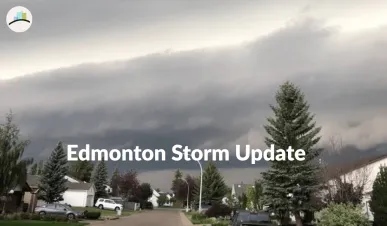
Edmonton residents faced a tense weather situation after a powerful storm brought heavy rainfall, severe thunderstorms and concerns over possible tornado activity.
The extreme weather event triggered searches for Edmonton power outage updates, tornado warnings, and live information as residents looked for answers about electricity disruptions and storm damage.
The combination of intense rainfall, strong winds and severe thunderstorm conditions created dangerous situations in parts of Alberta, with emergency officials urging people to stay alert and monitor weather warnings.
What Happened in Edmonton?
A severe thunderstorm system moved through the Edmonton region, bringing heavy rain, strong winds and dangerous weather conditions.
Residents reported weather-related disruptions, including flooding concerns and power interruptions in some areas.
Storm systems of this intensity can quickly create problems because heavy rainfall can overwhelm drainage systems, while strong winds can damage electrical infrastructure.
Was There a Tornado in Edmonton?
Searches for "Edmonton tornado warning" increased as severe weather alerts spread.
A tornado warning means meteorologists have identified conditions that could produce a tornado or have detected signs of rotation within a storm.
It does not always mean a tornado has touched down directly in the city.
Weather officials issue warnings to give residents time to seek shelter because severe thunderstorms can change rapidly.
Why Did Edmonton Experience Power Outages?
Storm-related power outages can happen for several reasons:
Strong winds
High winds can damage electrical lines, poles and other infrastructure.
Fallen trees
Trees weakened by storms can fall onto power equipment.
Lightning strikes
Lightning can affect electrical systems and cause temporary interruptions.
Safety shutdowns
Utility providers may temporarily disconnect sections of the grid while repairing damage.
Edmonton Flooding After Heavy Rain
Heavy rainfall was another major concern during the storm.
Urban flooding can happen when rainfall arrives faster than drainage systems can handle.
Common affected areas may include:
- Roads with poor drainage
- Underground areas
- Low-lying neighbourhoods
- Construction zones
Residents are usually advised to avoid driving through flooded roads because water depth can be difficult to judge.
MORE ARTICLES:
Edmonton Storm Timeline
Severe weather develops
Thunderstorms moved into the region with heavy rainfall and strong winds.
Weather alerts issued
Residents received warnings about dangerous storm conditions.
Power disruptions reported
Some areas experienced electricity interruptions.
Emergency response begins
Authorities monitored conditions and worked on storm-related issues.
What Should Edmonton Residents Do During a Tornado Warning?
During a tornado warning, residents should:
- Move indoors immediately
- Stay away from windows
- Go to the lowest floor if possible
- Protect themselves with strong furniture or coverings
- Keep emergency alerts active
Outdoor locations, vehicles and open areas provide much less protection during tornado conditions.
Why Alberta Experiences Severe Storms
Alberta is known for powerful summer storm systems because of its geography.
Weather conditions can combine:
- Warm air
- Cold air systems
- Strong atmospheric instability
- Rapid weather changes
These conditions can produce:
- Tornadoes
- Large hail
- Heavy rainfall
- Damaging winds
Recent Alberta storms have included confirmed tornado activity and severe weather alerts in parts of the province.
Edmonton Power Restoration: When Will Electricity Return?
The restoration timeline depends on:
- Number of damaged locations
- Severity of equipment damage
- Accessibility for repair crews
- Safety conditions
Utility teams generally prioritise critical infrastructure before restoring individual neighbourhoods.
Residents should check official electricity providers and emergency announcements for updates.
Could Edmonton Face More Severe Weather?
Weather experts continue monitoring storm systems during Alberta’s active severe weather season.
Residents should remain prepared because severe thunderstorms can develop quickly.
Keeping emergency supplies ready, including:
- Flashlights
- Batteries
- Water
- Phone chargers
can help during unexpected outages.
Edmonton Storm Impact: What Happens Next?
Authorities will continue assessing:
- Power infrastructure damage
- Flood impacts
- Road conditions
- Weather risks
As conditions improve, officials will provide further updates about restoration efforts and affected locations.



