
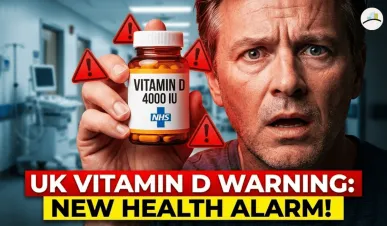
“Don’t Take Vitamin D Lightly”: NHS Experts Warn of Dangerous Overdose Symptoms
Health experts linked to the UK’s National Health Service (NHS) have issued a stark warning to the public: overusing Vitamin D supplements can be dangerous and, in some cases, life-threatening.
Vitamin D is widely promoted for bone strength, immunity, and overall health, especially during winter months. However, NHS professionals caution that more is not better — and excessive intake can lead to a condition known as vitamin D toxicity, or hypervitaminosis D.
Four Key Overdose Symptoms to Watch For
According to medical experts, vitamin D overdose typically develops from long-term high-dose supplementation, not from food or sunlight exposure. The most common and alarming symptoms include:
-
Persistent nausea and vomiting
Early signs often include stomach upset, loss of appetite, and repeated vomiting that does not improve. -
Extreme fatigue and muscle weakness
High calcium levels in the blood can interfere with muscle and nerve function, leaving people feeling unusually weak or exhausted. -
Frequent urination and excessive thirst
Vitamin D toxicity raises calcium levels, forcing the kidneys to work harder and increasing the risk of dehydration. -
Kidney damage and confusion in severe cases
If ignored, prolonged overdose can lead to kidney stones, kidney failure, irregular heart rhythms, and mental confusion.
Why Vitamin D Overdose Is Dangerous
Vitamin D helps the body absorb calcium. When taken in excess, it can cause dangerously high calcium levels in the blood, which can damage the kidneys, heart, and bones.
NHS experts stress that toxicity usually occurs when people take large daily doses for months without medical supervision — often believing supplements are “always safe.”
Who Is Most at Risk
Doctors say the risk is higher among:
-
People taking high-dose supplements without testing
-
Individuals with kidney disease
-
Older adults combining multiple fortified products
-
Those following online health advice without medical guidance
Safe Use Still Matters
The NHS continues to recommend vitamin D supplementation for people at risk of deficiency, particularly during autumn and winter. However, experts emphasize sticking to recommended daily limits and consulting a healthcare professional before taking high-strength doses.
“Supplements are meant to support health, not replace medical advice,” NHS clinicians warn.
Bottom Line
Vitamin D remains beneficial when used correctly — but misuse can have serious consequences. Health professionals urge the public to read labels carefully, avoid megadoses, and seek medical advice if symptoms appear.



