
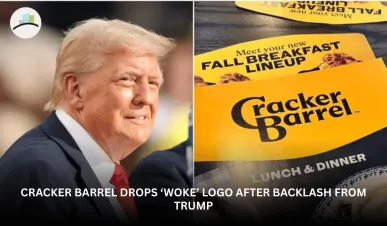
Cracker Barrel Ditches ‘Woke’ Logo After Backlash from Trump and Others – What Does This Mean for the Future of Branding?
In an unexpected move that has sparked controversy and debate, Cracker Barrel, the iconic American restaurant chain, announced that it would be ditching its newly introduced logo after receiving backlash from Trump supporters and conservative customers. The logo, which many perceived as a nod to "woke culture," has become a lightning rod for criticism.
But why did this seemingly simple logo change spiral into such an intense political clash? Could this be a warning to other brands about how deeply political polarization has penetrated consumer culture? What happens when a brand like Cracker Barrel, known for its traditional Americana roots, aligns itself with a more progressive image? Let’s break down why this logo change led to a firestorm, and what the future holds for the brand and its loyal customers.
MORE ARTICLES:
The ‘Woke’ Logo: A Simple Update or a Political Statement?
When Cracker Barrel unveiled its new logo, it seemed like a minor update to many. The rebranding was designed to modernize the company’s image, but it quickly became a flashpoint for controversy.
What Was in the Logo?
-
The updated design featured subtle nods to diversity and inclusivity, sparking accusations from critics who felt that the brand was now aligning with political correctness and social justice movements.
-
The new logo’s colors and symbols were seen as supporting progressive values, leading some to claim that it was a departure from the traditional Americana that Cracker Barrel is known for.
The Reaction:
-
Conservative Backlash: The change was not welcomed by Cracker Barrel's core customer base, which includes many conservative families who identify with traditional American values.
-
Trump’s Influence: The controversy reached a boiling point when Donald Trump and his supporters criticized the logo, accusing Cracker Barrel of being “too woke” and turning its back on its true values.
Why Did This Logo Change Spark Such a Furious Reaction?
The intensity of the backlash wasn’t just about a logo—it was a reflection of something much bigger. The controversy reveals the divisive nature of modern consumer culture and how politics have infiltrated every aspect of business, from entertainment to fast food.
Key Factors Behind the Backlash:
-
Political Polarization: The culture wars that have dominated the U.S. for years are now impacting even mainstream businesses. For many consumers, woke culture represents everything they oppose, and the logo change felt like an attack on their values.
-
Brand Loyalty: Cracker Barrel is known for its homey, family-oriented atmosphere, drawing in people who want to enjoy comfort food in a traditional, nostalgic setting. The sudden pivot towards more progressive symbolism felt alienating to those customers.
-
Trump’s Endorsement: Trump’s criticism further amplified the backlash. His influence is significant, particularly among conservative groups, and his comments pushed the controversy to national attention.
-
The Fear of Losing Core Customers: Cracker Barrel’s decision to cater to progressive values alienated a significant portion of its loyal customer base, creating a divide between the brand and its traditional supporters.
Cracker Barrel Responds: A Quick About-Face
The intense backlash prompted Cracker Barrel to reverse course quickly. After just a few days of mounting public pressure, the company announced it would be returning to its original logo, citing customer feedback as the reason for the change.
What Did Cracker Barrel Say?
“We value the feedback of our customers and recognize that the changes we made to our logo did not resonate with everyone. After carefully listening to our guests, we’ve decided to revert to our previous logo, which represents the long-standing traditions and values of Cracker Barrel.” — Cracker Barrel Spokesperson
This move signifies that Cracker Barrel values its traditional customer base and is willing to compromise on modernizing its image to preserve that connection.
What Does This Mean for the Future of Branding?
The incident brings up larger questions about brand identity and political involvement in today’s climate. Is there room for brands to be politically neutral, or are they expected to take a stand on controversial issues? Here’s what we could see moving forward:
1. The Risks of Political Alignment:
-
Brands that embrace political causes could face backlash from those who disagree, resulting in divided customer bases and potential revenue losses.
-
On the flip side, brand activism can also appeal to younger, more progressive consumers who align with those values.
2. The Power of Customer Loyalty:
-
Cracker Barrel’s decision to revert to its old logo proves that loyalty from longtime customers is an important factor in the success of a brand.
-
Brands need to carefully consider whether their political stance could alienate the people who have supported them for years.
3. The ‘Woke’ Debate Isn’t Going Away:
-
The debate over woke culture in business is only going to intensify. Brands will need to find ways to balance modern values with the tradition that defines them.



