
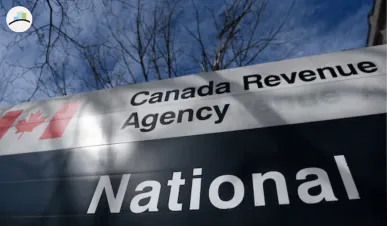
A massive tax error has put the Canada Revenue Agency under intense scrutiny after it reportedly issued a bogus $5 million refund to a businesswoman in British Columbia.
The incident has quickly gone viral, with people searching “CRA $5 million refund error,” “bogus tax refund Canada,” and “how did CRA issue wrong refund” as questions grow over how such a large payout slipped through the system.
What Happened in the CRA $5 Million Refund Case?
The controversy centers around Teresa Wallace, who reportedly received nearly $5 million from the tax authority due to what officials later described as an erroneous and invalid tax return.
According to reports, the refund was processed despite major red flags in the filing. The claim allegedly included nearly $10 million in foreign income, even though Wallace’s actual annual earnings were far lower.
Shockingly, the system approved and issued the payment before the error was caught, raising serious concerns about internal checks and verification processes.
Why Is This Being Called a ‘Bogus Refund’?
Authorities later determined that one of the key documents submitted in the return was invalid, which led to the massive payout being incorrectly approved.
In simple terms, the refund should never have been issued in the first place.
Many people searching “Canada revenue agency bogus refund” are trying to understand how such an unusually large claim especially one flagged for review could still be processed and paid out.
How Did the CRA Make Such a Big Mistake?
The Canada Revenue Agency operates on a self-assessment tax system, meaning most returns are processed quickly with limited initial checks.
While this system allows faster refunds, it also creates vulnerabilities:
- Large claims may pass through automated systems
- Manual reviews can sometimes fail or be delayed
- Verification gaps can lead to errors in rare cases
Experts say this incident highlights a breakdown in oversight, especially since the refund had reportedly been flagged for manual review before approval.
What Is the CRA Doing Now?
Following the discovery of the error, authorities have taken action to recover the funds.
Reports indicate that:
- The case has moved into legal and recovery proceedings
- Assets linked to the payout are being tracked
- The CRA is reviewing its internal processes
The agency is now facing criticism over how such a high-value refund could be processed without proper validation.
Why This Case Is Gaining So Much Attention
This story has exploded online because of the sheer scale of the error.
Searches like:
- “cra erroneously issued another bogus $5 million refund”
- “tax refund mistake canada”
- “cra refund error explained”
have surged as people try to understand how a government agency responsible for billions in tax collection made such a mistake.
It also comes at a time when tax authorities worldwide are tightening rules, making this case even more surprising.
The Bigger Concern: Can Tax Systems Be Trusted?
Beyond the headline, this case raises deeper concerns about trust and accountability in tax systems.
The Canada Revenue Agency handles massive volumes of financial data every year, and incidents like this highlight the risks involved when verification systems fail.
For many taxpayers, the question is no longer just what happened—but how often could this happen without being noticed?
What Happens Next?
The investigation is ongoing, and more details are expected to emerge in the coming weeks.
Authorities are likely to:
- Strengthen review processes for large refunds
- Introduce stricter validation checks
- Monitor similar cases more closely
Meanwhile, the case continues to trend globally, becoming a key example of how even advanced tax systems can face unexpected failures.
Key Takeaways
- CRA issued a bogus $5 million tax refund by mistake
- The case involves Teresa Wallace
- The refund was based on an invalid tax filing
- Authorities are now working to recover the funds
- The incident has raised serious concerns about tax system oversight