
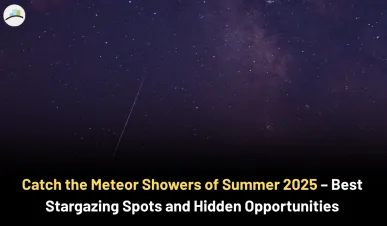
If you're in Arkansas this summer, you’re in for a treat when it comes to stargazing. There’s a lot happening in the skies, with meteor showers like the Southern Delta Aquariids and Alpha Capricornids peaking, along with the upcoming Perseids. But it’s not just about watching shooting stars; these celestial events bring up a lot of bigger questions, opportunities, and even some risks that most people aren’t really talking about.
Two meteor showers. One night.
— Good News Network (@goodnewsnetwork) July 28, 2025
Delta Aquariids + Alpha Capricornids = 20+ meteors/hour, some fireballs.
Look up, Southern U.S. — July 30 after 10 PM.https://t.co/n90hv2QCyL #meteorshower #astronomy #goodnews pic.twitter.com/Bi6jkDk0t9
Why Is This Important? It's More Than Just Watching Stars
So, why should we care about these meteor showers? Honestly, it's not just about the beauty of watching meteors streak across the sky. These events actually tie into bigger discussions about space exploration, our place in the universe, and how much we still have to learn about our world. For example, the meteors we see today could have been floating around in space for billions of years, carrying with them some of the earliest elements that may have formed our solar system. So yeah, stargazing is kind of like taking a moment to connect with the universe — a real reminder that we're a small part of something much bigger.
Hidden Opportunities: Space Tourism and Stargazing
But here's something not enough people are talking about — the economic opportunity tied to stargazing. As more people start caring about space and events like meteor showers, there’s a real chance to turn this interest into something more. I mean, if towns in Arkansas started making stargazing a bigger deal, they could easily tap into the growing space tourism market. Just imagine small towns offering stargazing tours, space-themed events, and even dark-sky campsites where people can learn about astronomy while looking up at the stars. It's a way for rural areas to build a whole new tourism sector. This isn't a dream — it's something that could really happen if local businesses and communities jump on board.
MORE ARTICLES:
The Risk We’re Missing: Light Pollution
Of course, there’s a downside to all of this. Light pollution. In cities and even in suburban areas, artificial light makes it harder to see the stars, and it’s getting worse every year. In places like Arkansas, where there’s still a lot of natural beauty, you’d think stargazing would be perfect, right? But as towns grow, more lights get put up, and soon, you’re not even able to see the Milky Way, let alone a meteor shower. This is a real risk for stargazing events because if we’re not careful, people won’t be able to see anything at all. There’s a growing movement to protect dark skies, but we need more action on that front — especially if we want to keep seeing these events in their full glory.
Space Exploration and Earth Responsibility: Connecting the Dots
Another thing that doesn’t get enough attention is how the rising interest in space might make us rethink our relationship with the planet. More space missions mean more rocket launches, more satellites in space, and more potential pollution — not just on Earth, but in space too. We’re creating a lot of space junk. As stargazers, we should probably also be thinking about how space exploration impacts the Earth. If we’re getting excited about shooting stars and meteor showers, we also need to be aware of the environmental responsibility that comes with expanding into space.
What’s Next for Stargazing? It’s About More Than Just Watching
When you think about it, meteor showers aren’t just about looking up at the stars. They’re a chance for us to talk about space, science, and our future. It’s a way to get people more excited about things like space exploration, environmental responsibility, and even how we approach tourism. The more we make these events accessible to everyone, the more they become opportunities to learn, grow, and connect with our world.
So, the next time you head out to watch a meteor shower, remember, it’s not just about the pretty lights in the sky. It’s about everything that comes with it — from the growing interest in space tourism to the fight against light pollution and even the bigger conversation about how we’re managing space exploration and its impact on Earth. There’s a lot more happening in the night sky than we realize.



