
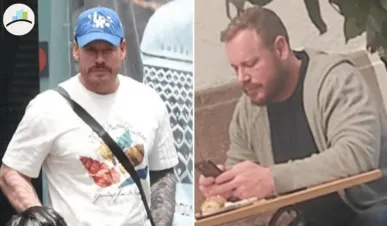
In a story that’s sending shockwaves across Canada, a Canadian blogger has been implicated in a money transfer involving fugitive Ryan James Wedding, a man at the centre of a massive drug trafficking and murder investigation. Authorities have launched an official investigation into the financial connection between the blogger and Wedding, who is wanted by both Canadian and U.S. law enforcement. The investigation follows court documents that suggest the blogger received “significant sums” of money from Wedding in exchange for either favorable content or the suppression of damaging material.
This case shines a light on the complex ways organized criminals use digital platforms and media to control narratives, manipulate public perception, and even evade capture.
Who is Ryan James Wedding?
Ryan James Wedding was a former Canadian Olympian who competed in winter sports before his fall from grace. After retiring from competitive athletics, Wedding allegedly became deeply involved in a criminal syndicate.
He is accused of running a multinational drug trafficking ring, allegedly ordering the murder of several witnesses and using his connections to evade authorities for years. Wedding’s criminal enterprise reportedly spanned across Canada, the U.S., and South America. His criminal activities include cocaine smuggling, money laundering, and witness tampering.
MORE ARTICLES:
The Blogger and the Alleged Money Trail
How the Blogger Got Involved 📰
Court documents suggest that Wedding paid a Canadian blogger to withhold or alter coverage of his criminal activities. The blogger, whose identity is still under wraps, was reportedly compensated $10,000 or more to suppress information and assist in hiding Wedding’s movements. The deal allegedly involved the blogger agreeing not to publish critical content about Wedding, which could have jeopardized his criminal operation.
While the exact terms of the payment are still under investigation, the implications of this story are far-reaching. It shows how organized crime syndicates are increasingly relying on digital influencers to manipulate public narratives and avoid law enforcement scrutiny.
The Importance of Media in Criminal Networks
This case underscores the growing role of digital media influencers and bloggers in criminal operations. As more individuals and organizations turn to the internet for information and news, the lines between journalism and online influence are becoming blurred. This makes it all the more important for influencers to disclose paid content and ensure that their platforms are not being exploited for malicious purposes.
The City’s Response: What’s Being Done?
Investigation Launched 🔍
Following the revelations, Canadian authorities, including the RCMP (Royal Canadian Mounted Police), have joined forces with U.S. law enforcement agencies to investigate the money trail and whether the blogger’s actions violated any criminal laws. The City of Toronto has pledged to fully cooperate with the investigation. Mayor Olivia Chow has expressed concern about the use of online platforms for criminal gain and promised transparency moving forward.
What’s Next for the Blogger?
While no official charges have been filed against the blogger, the investigation is ongoing. If authorities can confirm that the blogger knowingly participated in tampering with the media or suppressing information, they could face serious legal consequences. The authorities are also looking into how much money was involved and whether other bloggers or influencers were similarly compromised by criminal organizations.
The Bigger Picture: Media, Crime, and Responsibility
This situation highlights a growing concern in digital media and online content creation: the potential for exploitation. In an era where social media influencers and bloggers hold significant power over public opinion, their role in criminal networks must be carefully scrutinized.
This case is likely to set a precedent for how bloggers and influencers are held accountable in criminal investigations, particularly in cases where media is used for witness intimidation or narrative control.



