
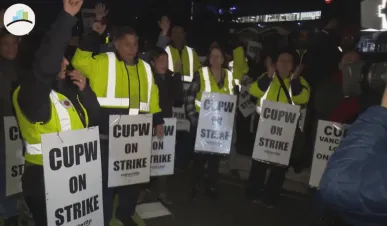
The Canada Postal Strike has taken a sharp turn, and things are heating up for millions of Canadians who rely on the postal system every day. The Canadian Union of Postal Workers (CUPW) has escalated the situation with rotating strikes that are now disrupting mail and parcel delivery across the country. This is no ordinary strike—this is a major turning point in the battle for workers' rights, but it also has deep, far-reaching effects on everyday Canadians, businesses, and even the holiday season. Let’s break down what’s happening, why it matters, and how it affects you.
What’s the Deal with Rotating Strikes? And Why Does It Matter?
If you’re wondering what rotating strikes even are, you're not alone. Let’s get into it: rather than shutting down the entire postal system in one go, workers have decided to rotate their strike actions. This means that postal workers in different regions take turns walking off the job, which creates a patchwork of service disruptions throughout the country. Some areas might experience delays, while others might be completely shut down for a few days. It’s this unpredictability that’s causing major chaos for those who rely on timely mail and parcel services.
But why are these rotating strikes happening? Well, the root of the issue lies in contract negotiations between the postal workers and Canada Post. The workers are asking for fair wages, better job security, and safer working conditions—especially considering how demanding their jobs can be. Add in the rising cost of living, and it's easy to see why CUPW feels its members deserve more.
MORE ARTICLES:
Why Now? What’s at Stake for Canadians?
It’s not just the postal workers who are feeling the heat. This labour dispute comes at a critical time for Canadians everywhere. With the holiday season around the corner, many businesses—especially small businesses—rely heavily on Canada Post to ship gifts, orders, and important packages. If you’ve been looking to send gifts to friends or family, or if you rely on getting things like bills, medical supplies, or government documents in the mail, the delays could throw a wrench in your plans.
We’re talking about thousands of small businesses across Canada that could be hit with delayed shipments, missed deliveries, and a significant loss in revenue. E-commerce has been booming, but with Canada Post under pressure, delivery delays could damage the trust customers have in small online stores. It’s a tough spot for everyone—whether you’re a customer, a seller, or just someone who needs to receive their bills on time.
Beyond small businesses, Canadians in rural and remote areas are feeling even more isolated. While larger cities might see some kind of delivery, rural regions are at risk of having their services completely shut down during this period. This raises serious concerns about accessibility, especially for seniors, low-income families, and those who depend on government correspondence or prescription deliveries. These groups cannot afford the kind of disruption that’s brewing.
CUPW’s Demands: Why Workers Are Fighting Back
So, what do the workers want exactly? CUPW is asking for more than just a pay raise. While they want fair compensation, they also want stronger protections for job security and better working conditions. In particular, workers are raising concerns about the physical toll their jobs take. They’re asking for better health and safety measures, especially as many postal employees are required to work outdoors in extreme conditions. Many of them feel that the cost of their hard work isn’t being reflected in their wages, which makes their demands for a fair deal completely understandable.
But it’s not just about money. The workers are also fighting for their jobs in the face of the modernization of Canada Post. Canada Post has been trying to reduce operational costs, which has led to fewer full-time, permanent positions, especially in rural and suburban areas. CUPW wants to make sure that these communities are not left in the dark when it comes to postal services and that their workers are not treated as disposable. So, what’s at stake here is not just the right to a fair wage, but the future of Canada’s postal system itself.
The Government’s Role: Will They Step In?
As tensions rise, there’s always the looming question: will the government step in to end the strike? Historically, the Canadian government has used back-to-work legislation to force postal workers to return to work when the strike’s impact becomes too disruptive. But doing so could damage the relationship between postal workers and Canada Post for years to come. It’s a delicate balance.
If the strike continues, there are fears that the disruptions will only get worse, especially as we approach the holiday season. The government will need to decide whether it wants to intervene, but this could spark anger and resentment among the workers, who feel they are being forced into an unfair deal. It’s a no-win situation for everyone involved.
What You Can Do: Stay Ahead of the Disruptions
If you're wondering what this means for you, here's what you can do to stay ahead of the disruptions and minimize the inconvenience:
-
Plan Ahead: If you need to send something important, do it early. Don’t wait until the last minute—especially with the holidays coming up.
-
Track Your Packages: Use Canada Post’s tracking tools to stay on top of your mail and parcels. If there’s any delay, you’ll know where your package is.
-
Consider Alternatives: If it’s urgent, look into private couriers or other delivery services. While it may cost more, it could be your best bet for reliable delivery.
-
Stay Informed: Follow local news and Canada Post updates to get real-time information on where disruptions are happening.
-
Support Small Businesses: Many local businesses rely on Canada Post for their deliveries, and if you can, support them by understanding the delays they may face.
Conclusion: The Postal Future Hangs in the Balance
As Canada Post navigates its current labour challenges, the question remains: how will this dispute shape the future of Canada’s postal service? Will postal workers get the fair compensation they deserve? Will this lead to long-term changes in how mail is delivered across the country?
One thing is clear—this isn’t just a strike. It’s a defining moment in the ongoing evolution of Canada’s postal system. Stay tuned, stay informed, and above all, stay patient. The road ahead may be bumpy, but the resolution will shape Canada’s postal future for years to come.
This is a story that affects everyone, and the consequences are far-reaching. The battle isn’t just about mail—it’s about the very way we connect and communicate.



