
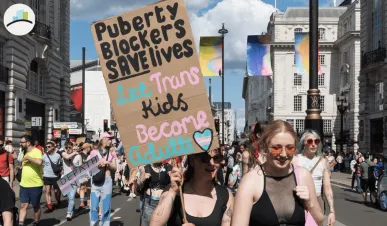
Supreme Court Overturns Puberty Blocker Ban in Queensland
In an explosive and groundbreaking ruling, the Supreme Court of Brisbane has overturned the controversial freeze on puberty blockers for adolescents—leaving trans youth, families, and health professionals breathing a collective sigh of relief. The court’s decision has sent shockwaves across Australia and the world, questioning everything from government policies to the rights of minors seeking gender‑affirming care.
This monumental judgment is not just a legal victory—it's a game changer for how Australia approaches the medical rights of young people with gender dysphoria. But what does this ruling mean for the future? How could it impact trans youth in Queensland, and what does this mean for future legal battles in Australia?
MORE ARTICLES:
The Freeze That Shook Australia
Back in January 2025, Queensland’s health authorities imposed a blanket ban on prescribing puberty blockers and gender‑affirming hormones to children and adolescents under 18. The policy was enacted in response to concerns over the treatment of minors with gender dysphoria, after reports revealed that several young patients at the Cairns Sexual Health Service had received treatments without proper consent or oversight.
The directive sparked a massive outcry from families and trans‑rights activists who argued that the freeze was unfair, harmful, and based on incomplete information. These treatments, they argued, were a lifeline for transgender youth, and denying them access was not only medically irresponsible but emotionally damaging.
Court’s Decisive Blow to the Freeze: Why This Ruling Matters
In a landmark move, Justice Peter Callaghan ruled that the Queensland government’s directive was issued without following the correct legal procedures. In the court’s view, the government had rushed the freeze, providing limited consultation with health professionals or the public, making the process unlawful. The government had failed to engage in proper dialogue with the very experts who would be responsible for implementing such a significant policy change.
The ruling focused not on the effectiveness of puberty blockers themselves, but on the legal process surrounding the policy. Justice Callaghan highlighted that consultations with healthcare providers lasted just 22 minutes, a rushed effort that failed to address the concerns of medical professionals on the ground.
This decision is a powerful rebuke of the government's approach. It underscores the importance of transparency and thoroughness when making decisions that affect the lives of vulnerable populations—especially when those decisions impact minors' access to life‑saving healthcare.
What’s Next? A Nation on Edge
While the ruling is a major win for trans youth and their families, the battle is far from over. Queensland Health Minister Tim Nicholls quickly responded, hinting at the possibility of reinstating the freeze through a new ministerial direction.
“I will be considering the implications of doing so over the next little period of time,” said Minister Nicholls, suggesting that the government’s position remains firm despite the court’s verdict. "The government’s position remains unchanged," he emphasized, and that future directions might once again implement a freeze on Stage 1 (puberty blockers) and Stage 2 (hormone treatments) for adolescents under 18 with gender dysphoria.
This statement raises immediate questions: Will the government backtrack on today’s decision? Could a new freeze be implemented, potentially sparking another round of legal challenges? And how will Queensland's healthcare system adjust to these ongoing legal and policy battles?
The Ripples of Today’s Ruling – What Could This Lead To?
The ripple effect of this ruling could be profound. Not just for Queensland, but for the rest of Australia and the broader global debate over transgender youth healthcare.
For many, the decision to lift the ban offers a glimmer of hope. Adolescents who had been languishing in uncertainty, waiting for access to critical treatments, now have a clearer path forward. Families who have been anxiously awaiting hormone therapies and puberty blockers for their children may finally be able to move forward. The decision restores their right to make decisions about their children’s health in consultation with their doctors.
Yet, this is not simply a win—it’s the opening chapter of a deeper, more contentious story. With the Queensland government signaling it could reinstate a pause, the battle between legal authority, parental rights, and the medical community is far from over. Families, activists, and trans‑rights advocates are left asking: What now?
If the government does re‑implement the pause, another round of legal challenges could follow—potentially elevating the case to Australia’s High Court. What’s clear is that this is an issue that won’t be going away anytime soon.
BREAKING 🚨: Supreme Court of Queensland OVERTURNED the evil Crisafulli regime’s ban on puberty blockers 🏳️⚧️🥳
— braden🇵🇸🚩 (@bandtistbraden) October 28, 2025
The regime thought they could hurt trans kids with impunity, but for now they have been defeated. pic.twitter.com/NzEI6X94rA
What This Means for Trans Youth, Families, and Advocates
For trans youth and their families, today’s ruling represents a much‑needed victory in an otherwise turbulent time. The freeze had created a medical deadlock, forcing families to scramble for private care, which is often inaccessible and expensive. The reversal brings hope to those who have been waiting in the wings, some for years, to access these critical treatments.
For advocates, this is a powerful reminder of the strength of community and legal action in defending the rights of vulnerable populations. The ruling sets a significant precedent, reinforcing that government decisions on healthcare should be based on sound medical advice and follow legal processes.
However, this case also underscores the deeply polarized nature of the discussion around gender‑affirming treatments for minors. Families, especially those living in conservative areas, may face further scrutiny from authorities, despite this legal victory.
Looking Ahead: The Road to Equality?
As this saga continues to unfold, everyone is left wondering: What happens next?
-
Will the Queensland government really push forward with another ban? Given the legal stakes, a new directive could spark another round of protests and legal action, leading to a full‑scale confrontation between the state and trans‑rights advocates.
-
How will healthcare providers react? Many doctors are likely to be caught in the middle of this ongoing tug of war between policy and patient care. Will they continue to offer services while facing potential backlash from authorities?
-
Could this ruling set a national precedent? The legal challenges in Queensland could snowball into a much larger debate across Australia, influencing future legislation and the rights of trans youth everywhere.
With so much at stake, this is far from the end of the story—it’s just the beginning.



