
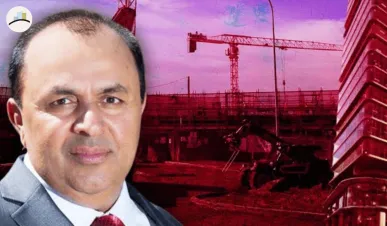
One of Western Sydney’s biggest residential developers, Bathla Group, has entered voluntary administration after facing mounting financial pressure, creating uncertainty for thousands of homebuyers, contractors, employees and lenders connected to its projects.
The property developer, which has been behind thousands of homes and apartments across New South Wales and Victoria, appointed restructuring firm Teneo as administrator after struggling with rising construction costs, weaker property sales and tighter lending conditions.
The move has placed a major spotlight on the challenges facing Australia’s property development sector, particularly developers that expanded rapidly using large amounts of private credit funding.
For many buyers who purchased Bathla properties, the biggest question now is simple:
Embattled western Sydney housing developer Bathla has been placed into administration, following months of financial crisis.https://t.co/NnAJYV4wSr pic.twitter.com/qjMCEnjuEQ
— The Sydney Morning Herald (@smh) August 25, 2026
Will their homes still be completed?
Who Is Bathla Group?
Bathla Group is a major Australian property developer known for building residential communities, apartments and housing projects, particularly across Western Sydney.
The company has been involved in thousands of residential developments and has played a significant role in expanding housing supply in growing suburbs.
Over the years, Bathla became one of the largest private developers in the region, delivering projects aimed at first-home buyers, families and investors.
However, rapid expansion also increased the company’s exposure to:
- construction costs,
- property market changes,
- financing conditions,
- buyer demand.
Why Did Bathla Group Enter Administration?
Bathla Group entered voluntary administration after facing increasing financial pressure.
The company attributed the decision to several challenges, including:
- rising construction costs,
- slower property sales,
- reduced market confidence,
- changes affecting the housing sector,
- tighter lending conditions.
The developer said the administration process was intended to provide a pathway to stabilise operations and protect ongoing projects.
For large property developers, administration does not automatically mean projects will stop. The process allows administrators to review finances, negotiate with creditors and determine the best path forward.
How Much Debt Does Bathla Group Have?
Bathla Group’s financial difficulties have drawn attention because of its large borrowing exposure.
Reports indicate the developer has billions of dollars in debt across multiple lenders, with a significant portion linked to private credit markets.
Private credit has become an increasingly important source of funding for Australian property developers, especially as traditional banks have become more selective about construction lending.
However, heavy reliance on alternative financing can create risks when:
- sales slow,
- costs rise,
- projects take longer than expected,
- refinancing becomes difficult.
What Happens to Bathla Homebuyers?
The biggest concern for customers is whether their properties will be completed.
For buyers who have purchased houses or apartments from Bathla, the administration process will determine:
- which projects continue,
- which projects may face delays,
- how contracts are handled,
- what protections are available.
The administrator will review each project individually, including:
- construction progress,
- funding availability,
- contracts,
- obligations to buyers and suppliers.
At this stage, entering administration does not automatically mean every project will fail.
The outcome depends on whether viable arrangements can be created.
Why Are Buyers Worried?
Buying a home is one of the biggest financial decisions people make.
When a developer faces financial problems, buyers naturally worry about:
- construction delays,
- settlement uncertainty,
- additional costs,
- project completion timelines.
Many customers may already have:
- paid deposits,
- arranged finance,
- planned moving dates,
- sold existing properties.
Any delay can create major personal and financial disruption.
What Happens to Bathla Construction Projects?
The administrator’s role will be to assess the future of Bathla’s projects.
Possible outcomes include:
Projects Continue
If funding remains available, some developments may continue under the existing structure.
Projects Are Sold
Some projects may be transferred or sold to other developers.
Projects Are Restructured
Creditors and stakeholders may negotiate new arrangements to complete developments.
The final outcome will depend on the financial condition of individual projects.
Why Bathla’s Collapse Matters for Australia’s Property Market
Bathla’s difficulties are not only a company issue.
The situation has attracted attention because it highlights wider pressures in Australia’s property industry.
Developers are currently dealing with:
- higher building costs,
- labour shortages,
- interest rate uncertainty,
- slower buyer demand,
- expensive financing.
A major developer facing difficulties can affect:
- contractors,
- suppliers,
- lenders,
- buyers,
- local housing markets.
The Private Credit Problem Behind Bathla’s Crisis
One of the biggest discussions surrounding Bathla is the role of private credit.
Private credit lenders provide funding outside traditional banking channels.
These lenders have become increasingly involved in property development because they can offer faster and more flexible financing.
However, higher returns often come with higher risks.
Bathla’s financial problems have raised questions about:
- how lenders assess developer risk,
- whether projects were adequately funded,
- how private credit exposure is managed.
How Did Bathla Become One of Sydney’s Biggest Developers?
Bathla expanded aggressively during a period of strong demand for housing in Western Sydney.
The company benefited from:
- population growth,
- housing shortages,
- demand for new developments,
- expansion of Sydney suburbs.
Large-scale development allowed Bathla to grow quickly.
However, rapid expansion also meant managing many projects simultaneously, increasing exposure when market conditions changed.
What Does Voluntary Administration Mean?
Voluntary administration is a process designed to give financially stressed companies an opportunity to restructure.
An administrator investigates:
- company finances,
- debts,
- assets,
- contracts,
- future viability.
The administrator then recommends the best path, which could include:
- returning control to owners,
- restructuring debts,
- selling parts of the business,
- moving toward liquidation if recovery is impossible.
What Happens to Employees and Contractors?
Bathla’s financial problems also affect thousands of people connected to its operations.
This includes:
- employees,
- builders,
- subcontractors,
- suppliers.
Construction businesses often operate through large networks, meaning the impact of a major developer’s financial difficulties can spread beyond the company itself.
Contractors may face concerns about:
- unpaid invoices,
- delayed payments,
- future work.
Could Another Developer Take Over Bathla Projects?
Yes, this is one possible outcome.
If individual projects remain financially viable, another developer or investor could potentially take over some developments.
This approach is often used when completing existing projects creates more value than abandoning them.
The administrator will examine whether such options are practical.
What Should Bathla Buyers Do Now?
Customers affected by the administration should:
- wait for official updates,
- keep copies of contracts and payment records,
- communicate through official channels,
- understand their legal rights.
Buyers should avoid relying only on social media rumours because property administration processes can change as new information becomes available.
What Happens Next for Bathla Group?
The next stage will involve Teneo reviewing Bathla’s financial position and assessing available options.
Key questions include:
- Which projects can continue?
- How much funding is available?
- What agreements can be reached with lenders?
- How can buyers and suppliers be protected?
The administration process will determine whether Bathla can restructure or whether further action is required.
Why Bathla Group’s Story Matters
Bathla’s situation is a reminder that even major property developers can face pressure when market conditions change.
For buyers, the issue is not just about one company.
It highlights broader questions about:
- housing affordability,
- construction costs,
- developer financing,
- consumer protection.
As Australia continues dealing with housing demand and supply challenges, the stability of major developers remains important for thousands of households.
Key Takeaways
- Bathla Group has entered voluntary administration.
- The company is one of Western Sydney’s major residential developers.
- Thousands of buyers, contractors and lenders may be affected.
- Rising costs and financial pressure contributed to the crisis.
- Administrators will determine the future of ongoing projects.
- The case highlights risks in Australia’s property development and private credit markets.



