
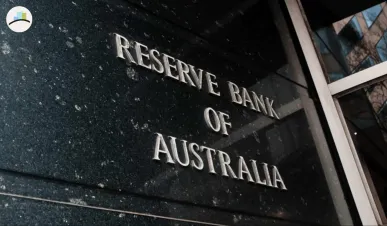
Fresh inflation data released on April 29, 2026 shows Australia’s Consumer Price Index (CPI) jumped to 4.6%, the fastest annual pace in over two years. The sharp rise driven largely by soaring fuel, housing and transport costs keeps inflation well above the Reserve Bank of Australia’s target range of 2–3%, putting the upcoming RBA meeting and interest rate decision squarely in the spotlight.
CPI inflation figure rising from 3.7% to 4.6% this March quarter.
— Crashman (@Crashman_X) April 29, 2026
The latest figure marks Australia's highest inflation since September 2023, when the Australia's economy was rebounding after COVID-19.
The RBA is expected to rate hike next week in response. pic.twitter.com/yyPL7mxw4J
Here’s a clear breakdown of the inflation figures, what they mean, and why markets and everyday Australians are watching closely as the RBA weighs its next move.
Latest Inflation Figures: CPI Hits Highest Since 2023
According to the Australian Bureau of Statistics (ABS), annual CPI inflation climbed to 4.6% in the 12 months to March 2026, up from 3.7% in February the biggest annual increase since September 2023.
Key contributors included:
- Housing costs up 6.5% rents and electricity prices rising strongly.
- Transport inflation surged 8.9%, heavily influenced by fuel price spikes.
- Food and non‑alcoholic beverages up 3.1%.
While the trimmed mean (core inflation) measure which excludes volatile items held at around 3.3%, it still sits above the RBA’s 2–3% target zone.
Why Inflation Is Rising So Fast
This inflation surge isn’t driven by a single factor it’s the result of a mix of global and domestic pressures:
1. Fuel and Energy Shock
Fuel prices jumped sharply in March petrol up by over 30% largely tied to global oil market disruptions connected with the Middle East conflict. Higher energy costs feed into transport, manufacturing and household bills, pushing up headline inflation.
2. Housing and Utility Costs Ramping Up
Electricity prices and rental costs were major contributors to housing inflation. These are core everyday expenses for many Australians, so even small percentage increases have big impacts on household budgets.
3. Everyday Goods and Services Still Costing More
Across categories like food, clothing and insurance, annual price rises continued to add pressure to the CPI figures, showing inflationary forces are broad‑based rather than isolated.
RBA’s Dilemma: To Hike or Hold at the May Meeting?
The Reserve Bank of Australia (RBA) the country’s central bank responsible for managing inflation and monetary policy will soon meet to decide its next move on interest rates.
Here’s the catch:
- On one hand, inflation remains well above the target, reinforcing the case for tightening monetary policy further. Many economists and market analysts expect another interest rate hike at the RBA’s May meeting.
- On the other hand, some details in the CPI data like a slightly lower trimmed mean and slowing non‑fuel price rises may give the RBA reason to pause and take stock before moving again.
If the RBA decides to raise the cash rate again, borrowing costs for mortgages, business loans and consumer finance will likely go up further. That’s a double blow for Australians already feeling cost‑of‑living pressures from food and fuel prices.
What the CPI and Inflation Data Mean for You
Here’s how these inflation figures could affect everyday Australians:
Higher Costs of Living
With inflation running above 4%, everyday items from groceries to fuel cost more than a year ago. That cuts into household budgets, especially for essentials like energy, rent and food.
Interest Rates Likely to Stay Tight
If the RBA hikes rates at its next meeting, variable mortgage rates and personal loan rates may rise further. Homeowners with big mortgages could see repayments increase.
Savings Earn More Interest: Slowly
On the flip side, savers may earn slightly better returns on term deposits and savings accounts as banks respond to higher cash rates.
MORE ARTICLES:
What’s Next: RBA Meeting & Market Watchers
The RBA’s May meeting will be closely watched by financial markets, analysts and everyday Australians. CPI inflation and other economic indicators will be key inputs into the RBA’s decision on whether to maintain, tighten or cautiously pause interest rate settings in the weeks ahead.
Market pricing currently places a strong chance of a hike, but if inflation data softens in coming months or economic growth slows, the RBA could opt for a temporary pause to assess the broader economic impact.



