
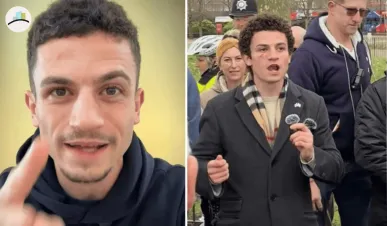
In a striking decision that’s igniting fierce debate around freedom of speech, hate speech regulation, and national security, Australia has cancelled the visa of Israeli influencer Sammy Yahood over his inflammatory anti‑Islam rhetoric. The move comes just hours before his flight was set to land, stirring intense reactions both inside and outside Australia.
Australia’s government made it clear that it will not accept visitors who come to its shores to spread hatred, especially when that rhetoric targets a religion or community. Right as Yahood was preparing to fly from Israel via Abu Dhabi to Melbourne for several scheduled events, Home Affairs Minister Tony Burke revoked his visa, citing concerns that Yahood’s public statements — including calls to “ban Islam” and asserting negative views about the religion — crossed the line of acceptable conduct.
Australia cancels visa of Jewish influencer who previously called for Islam to be banned
— Tayeb Habib (@TayebPT) January 27, 2026
Sammy Yahood accuses Labor of ‘tyranny’ after the government cancelled his visa hours before his flight was due to depart https://t.co/yoTqCNV92k
Why Was the Visa Cancelled? The Official Reason
Australia’s recent expanded hate speech and extremism laws give the government broad powers to block entry to people whose public rhetoric is seen as promoting hatred, division or extremism. Burke’s office said that “spreading hatred is not a good reason to come to Australia.” That was a direct reference to the kind of statements Yahood has posted online, which many have labelled as Islamophobic and inflammatory.
Yahood is known on social media for controversial commentary about Islam, including remarks describing it in hostile terms and advocating that it should be banned — comments that violate Australia’s policy stance on maintaining social cohesion and respect for religious diversity.
His Reaction: Tyranny or Censorship?
Yahood didn’t stay silent. From his social media platform, he blasted the decision as “tyranny” and censorship, saying the government was unlawfully banning him and threatening legal action. He claimed the move was politically motivated and heavy‑handed and warned against underestimating his influence.
He also framed the decision as a violation of free expression, telling his followers that his ban was an intimidation tactic by authorities — and not just a simple immigration decision.
The Bigger Backdrop: Hate Speech Laws and Public Safety
This isn’t an isolated event. Australia’s new hate speech laws enacted last year in response to rising extremism and social division give extensive authority to the Home Affairs Minister to refuse or cancel visas where someone’s conduct is deemed hateful or likely to incite division or discrimination. Critics argue these laws are necessary for public safety, while others say they tip the balance too far against free speech.
Australia has already used these powers in past cases to block controversial figures, including certain politicians and commentators whose views were deemed harmful or divisive under the policy framework.
MORE ARTICLES:
What Could This Mean Going Forward?
This decision raises key questions about how democracies balance free expression with public safety and social harmony:
1. Where is the line between protected speech and punishable hate speech?
Australia’s broad hate laws are meant to curb incitement and division, but critics warn they could chill legitimate debate as well.
2. Could this set a precedent for other countries?
If nations increasingly use visa powers to block speakers with controversial views, international travel for influential figures may become more unpredictable.
3. How will social media figures respond?
Sammy Yahood’s outspoken reaction hints at potential legal challenges or campaigns claiming censorship, igniting global discussions about civil liberties.
4. What about community reactions inside Australia?
Different groups have reacted differently. Some praise the government for protecting communities from hateful rhetoric. Others say the enforcement feels selective or politically driven.
Conclusion: A Decision With Deep Ripples
Australia’s decision to cancel the influencer’s visa isn’t just an immigration story — it’s a flashpoint in global debates about hate speech, free expression, and public safety in democratic societies. Whether supporters hail it as responsible governance or critics decry it as censorship, this controversy will likely keep dominating headlines as it unfolds further.



