
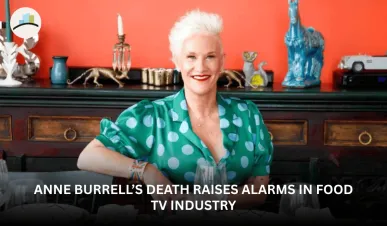
Anne Burrell’s Death Exposes TV’s Silent Struggle with Mental Health
Celebrity chef and Food Network personality Anne Burrell’s tragic death by suicide at age 54 has sent shockwaves through both the culinary world and entertainment industry. But beyond the grief lies a deeper, often ignored conversation — what emotional toll does celebrity status really carry?
Despite her vibrant on-screen persona and culinary accolades, sources close to Burrell describe a woman quietly battling immense internal pressure. Her death doesn’t just mark the loss of a beloved chef — it reveals the cost of living behind the camera in an age of performative success.
Warning: This article discusses topics related to suicide and self-harm.
— PhilSTAR L!fe (@philstarlife) July 25, 2025
The sudden passing of Food Network icon Anne Burrell has taken a heartbreaking turn, as the official cause of death is confirmed. Fans and fellow chefs are expressing deep shock and sadness.
READ:… pic.twitter.com/yUOOmCP4Q8
Why This Matters More Than Headlines Suggest
This isn’t just about one person. It’s about an entire media ecosystem that glorifies hustle and leaves little space for vulnerability. Burrell was one of the most recognized faces in food television. Her story reflects a growing crisis among media personalities who are expected to entertain, inspire, and endure — all at once.
Even more pressing is the lack of formal mental health policies in production contracts, especially in culinary and reality TV. Unlike Hollywood actors, food personalities often juggle unscripted chaos, high-pressure shoots, and fragile branding with no structural support.
Often Overlooked Risks
While the tragedy of Anne Burrell’s passing has sparked conversations about mental health in the food entertainment industry, there are deeper, less visible risks that deserve urgent attention.
First, there’s a growing danger that if production studios fail to reflect and act, they could face serious public backlash—especially if more such incidents arise. Audiences today are more aware and critical of how media companies treat their on-screen talent, and silence or inaction could severely damage reputations.
Another risk lies within the industry itself: current chefs and personalities might choose to stay quiet out of fear—fear of being seen as vulnerable or of risking their careers. This kind of suppression only deepens the stigma around mental health, especially in high-pressure creative fields like food entertainment.
There’s also concern over how media might cover such tragedies. Sensationalizing suicide for clicks or emotional spectacle often overshadows the real, human struggle behind it. When that happens, meaningful conversations around mental health are lost in the noise.
Finally, brands associated with the late star may be tempted to rush out tribute content or merchandising, but doing so without sensitivity risks being seen as opportunistic. Audiences are quick to call out posthumous exploitation when it lacks authenticity or respect.
MORE ARTICLES:
What Needs More Attention?
-
Industry Contracts: Why don’t unscripted television stars have built-in mental health resources?
-
Content Ethics: Is it time to reconsider how networks handle the personal struggles of public figures — during and after life?
-
Audience Complicity: As consumers, are we feeding into a system that pressures individuals to always be “on”?
The Real Takeaway
Anne Burrell’s death should not fade into yet another moment of internet mourning. It's a signal flare — a call for real change in how networks, production houses, and even audiences treat the emotional labor behind celebrity content.



