
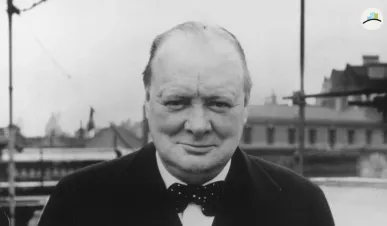
A controversial quote attributed to Winston Churchill — “I hate Indians. They are a beastly people with a beastly religion” — has resurfaced online, once again stirring strong reactions and reopening long-standing debates about his views on India and Britain’s colonial past.
Churchill remains one of the most celebrated figures in modern Western history for his leadership during World War II, when his defiance against Nazi Germany helped shape the Allied victory. Yet, alongside that legacy sits a darker, deeply uncomfortable record of remarks and attitudes toward colonised nations, particularly India, that many historians and scholars have criticised for decades.
The quote, often traced to accounts from British officials who worked closely with Churchill during the 1940s, reflects the harsh language he reportedly used in private conversations at the height of tensions between the British government and Indian leaders demanding self-rule. While supporters argue that Churchill was speaking out of wartime frustration and political rigidity, critics see the remark as evidence of entrenched racial prejudice that influenced imperial policy.
More articles-
1- Robert Duvall Net Worth, Cause of Death, Iconic Movies & Legacy
2-Lucy Harrison: Shot by Father Over Trump Argument, No Charges Filed
In India, the resurfacing of the quote has revived anger and pain tied to colonial memory. Many see it as symbolic of a mindset that treated Indian lives and aspirations as secondary — a view that critics argue shaped British responses during crises such as the Bengal famine and delayed India’s path to independence. For them, Churchill’s words are not an isolated slip, but part of a broader pattern.
At the same time, historians urge caution against reducing complex historical figures to a single quote. Some note that Churchill was a man of his time, shaped by imperial Britain, global war, and political pressures that do not excuse his views but help explain them. Others counter that understanding context should never mean downplaying harm or dismissing the lived consequences of colonial rule.
The renewed discussion highlights a larger global reckoning underway — one that questions how history remembers powerful leaders. Can a figure be both a wartime hero and a symbol of oppression? Should statues, textbooks, and public memory reflect achievement alone, or also acknowledge prejudice and policy failures?
As debates continue, one thing is clear: Churchill’s legacy is no longer viewed through a single lens. The resurfacing of this quote has become less about the man himself and more about how societies confront uncomfortable truths — choosing honesty over nostalgia, and reflection over silence.



