
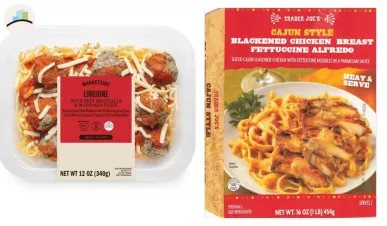
In an unsettling twist that has rocked the country, 7 people have died and 27 others have been hospitalized due to foodborne illness linked to a batch of recalled ready-to-eat pasta meals sold at major grocery chains. What started as a routine product recall has now turned into a full-blown public health crisis..
The pasta meals, which had been sold across some of the largest grocery chains in the U.S.—including Trader Joe’s, Kroger, Walmart, and Sprouts—were quickly pulled from shelves as it became clear that they were contaminated with Listeria monocytogenes, a bacterium that can cause severe illness, particularly in vulnerable populations like the elderly, pregnant women, and those with weakened immune systems.
But this scandal is more than just a food recall—it’s a wake-up call for food safety in the U.S. and the globe. The CDC and FDA are urgently working to track the full scope of the outbreak, but the question remains: how did this happen, and what happens next?
The Devastating Impact: A Ticking Time Bomb in Your Freezer?
The first death occurred just weeks after the pasta meals were bought from major stores. What’s more alarming is that the illnesses continue to grow. The contaminated meals were found to have been sold to 18 states, and health officials are concerned that the death toll could rise if more cases are not quickly detected.
This is not just another food safety incident. This is a nationwide tragedy—a reminder that our food supply chain is vulnerable to contamination in ways we don't often think about.
Key Questions:
-
How many more people have consumed the contaminated products before the recall was issued?
-
Can anything be done to prevent this from happening again on such a large scale?
-
How far will this scandal go in terms of legal action, sanctions, and future regulations?
MORE ARTICLES:
Why Is This Such a Big Deal?
This isn’t just about a few bad meals. This outbreak has turned into a full-blown public health emergency, and here’s why:
-
Widespread contamination: These ready-to-eat meals were sold at some of the largest grocery chains in the country—Walmart, Trader Joe’s, and Kroger, to name a few. The products affected were not just limited to one region but were shipped across the U.S., impacting millions of potential consumers.
-
The deadliest Listeria outbreak in years: This is the deadliest outbreak caused by Listeria monocytogenes in recent years. The bacteria infects the body by spreading through the digestive system, but unlike most foodborne illnesses, Listeria has a tendency to migrate into the bloodstream, causing sepsis, meningitis, or even miscarriage for pregnant women.
-
Trust in food safety shattered: For many people, grabbing a pre-packaged meal is as easy as picking up a snack at the store. But what if that meal is unsafe? This incident raises serious questions about the regulatory oversight in food production and distribution. It challenges the very trust consumers place in the food industry to ensure their safety.
The Massive Recall: How Did This Happen?
The foods involved in this outbreak came from Nate’s Fine Foods—a company that, until now, had little to no controversy surrounding its products. But what does this mean for consumers who thought they were buying a simple, convenient meal? Here’s how it all went wrong:
-
The Product: These meals, often prepared with ingredients like pasta, cheese, and sauce, were sold fresh or frozen, and marketed as a quick dinner option.
-
The Contamination: Listeria monocytogenes is a bacteria often found in contaminated water, soil, or unpasteurized dairy products. In this case, the bacteria made its way into the food chain during processing.
-
The Recall: Initially, the FDA only recalled a limited number of products, but as the scope of the outbreak grew, more and more meals were taken off the shelves.
The recall has now expanded to include nearly 300,000 pounds of pasta meals, but the damage has already been done. The risk of more contamination is high, and the concern is whether every affected product has been pulled off the shelves.
The Fallout: What Does This Mean for the Food Industry?
-
New Regulations Coming?
This may mark a turning point for food safety regulations in the U.S. The FDA is already under pressure to ensure more stringent oversight of food production and storage. Expect new regulations on contamination prevention and more rigorous checks for companies. -
Consumer Confidence in Question
Can consumers continue to trust food products in the ready‑to‑eat market? The damage to consumer confidence will be felt long after the immediate crisis fades. Grocery chains and food manufacturers may need to rebuild their reputation by increasing transparency and improving food safety protocols. -
Legal and Financial Repercussions
With seven deaths and many illnesses already reported, there are bound to be legal consequences. Families of the victims could pursue lawsuits for wrongful death, while consumers may seek class action lawsuits for compensation. Food companies could face hefty fines or sanctions for failing to ensure food safety.
What’s Next? The Bigger Picture
This incident could spark a chain reaction across the industry. Here’s what to expect:
-
Heightened scrutiny: Food safety will now be under a microscope. Expect calls for more accountability, stricter regulations, and possibly a complete overhaul of how food production is monitored in the U.S.
-
Consumer behavior change: Shoppers may be more cautious about pre-packaged foods, leading to a potential increase in demand for fresher, locally sourced meals or products with more transparent ingredient sourcing.
-
Long-term changes in the food system: With so many people affected by this recall, the conversation around foodborne illness prevention will likely grow louder. It could lead to a broader conversation about global food systems, health, and sustainability.



