
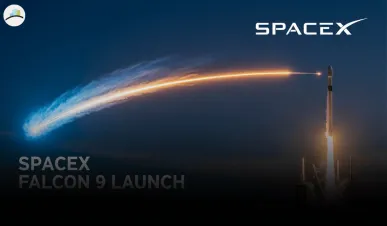
SpaceX Falcon 9 Rocket Launches 28 Starlink Satellites, Creates Spectacle Over Arizona
In a spectacular display of space exploration, SpaceX’s Falcon 9 rocket launched 28 Starlink satellites into orbit on the evening of September 28, 2025. The launch, which took place from Vandenberg Space Force Base in California, not only achieved its goal of deploying more satellites for global internet connectivity but also created a stunning visual event visible across much of the western United States, including Arizona.
#spacex #ElonMusk falcon 9 launch- notice the piece burn up - 🔥🔥🔥🇺🇸 pic.twitter.com/lKq4Cbt6hH
— Donmateo (@DonQvegan) September 29, 2025
MORE ARTICLES:
A Night Sky Illuminated by Falcon 9
The Falcon 9 rocket, part of SpaceX’s continued efforts to build a global satellite network, lit up the Arizona sky in a way that left many local residents in awe. The exhaust plume from the rocket left behind a bright, comet-like streak across the sky, sparking widespread curiosity and speculation. Numerous reports flooded social media, with many wondering if they had witnessed a UFO rather than a simple rocket launch.
As SpaceX’s Falcon 9 soared into the night, the sight of its trail was so extraordinary that it quickly captured the attention of onlookers. Arizona residents quickly took to social media to share photos and videos of the event, leading to a wave of speculation and interest about the strange light display.
SpaceX’s Growing Constellation of Satellites
This launch marked another step in SpaceX’s ambitious Starlink project. The company has been steadily expanding its satellite constellation, with the goal of providing high-speed internet access to underserved regions worldwide. With over 8,500 satellites now in orbit, the SpaceX Falcon 9 rocket is continuing to play a pivotal role in the development of this global internet service.
The addition of 28 more satellites is part of the ongoing effort to enhance global connectivity, offering internet service to areas that have traditionally been hard to reach or lacked infrastructure. This launch is one of many in SpaceX’s drive to make internet access available to remote areas and expand its internet coverage across the globe.
A Perfect Booster Landing
In true SpaceX fashion, the Falcon 9 rocket’s first-stage booster also successfully returned to Earth, landing on the drone ship "Of Course I Still Love You" stationed in the Pacific Ocean. This is the 28th successful landing for this particular booster, underscoring SpaceX’s continued success in advancing reusable rocket technology. The ability to reuse rocket stages has dramatically reduced the cost of space exploration, making frequent satellite launches more affordable and accessible.
Impact on the Future of Space Exploration
The successful launch and landing demonstrate not only SpaceX’s technological prowess but also the significant role it continues to play in the future of satellite internet. As the company works to expand its Starlink satellite constellation, the world can expect more of these visually stunning rocket launches lighting up the sky, especially across the western United States.
With each successful Falcon 9 rocket launch, SpaceX brings us one step closer to its vision of a globally connected world. The continued advancements in reusable rocket technology and the expansion of the Starlink network are reshaping the future of internet accessibility.
As SpaceX looks ahead, the company is set to continue launching satellites that will provide internet access to millions, transforming the way we connect across borders and paving the way for new possibilities in space exploration.
Looking to the Future: More to Come
The excitement over the SpaceX Falcon 9 rocket launch isn’t just about the technology but about what it represents for the future. The growing number of satellites in orbit will continue to enhance the connectivity of remote areas, providing opportunities for education, business, and communication in places that were previously left behind.
As SpaceX’s ambitious Starlink network grows, we can expect more groundbreaking missions and visually captivating launches like the one that illuminated the skies above Arizona. The future of space exploration and satellite internet is looking brighter than ever.



