
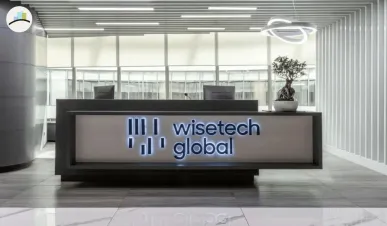
In a stunning shift that many in the tech world saw coming but few expected so soon, WiseTech Global one of the world’s leading software companies for logistics and supply chain solutions has announced it will cut nearly 30% of its global workforce.
In simple terms: thousands of workers will lose their jobs, not because the company is failing, but because artificial intelligence has reached a point where it can do a huge amount of the work they were previously hired to do especially manual coding and repetitive engineering tasks.
WiseTech to Cut Up to 2000 Jobs
— The Unbiased Update (@unbiased_update) February 25, 2026
• WiseTech, a major Australian technology firm, set to cut up to 2000 jobs.
• Cuts represent about one-third of its workforce.
• Reductions driven by AI efficiencies amid impacts on Australia.
🌍 Why it matters:
• WiseTech established as… pic.twitter.com/nUX2dblhV9
This isn’t just another layoff. It’s a wake‑up call that the rise of AI and automation is fundamentally reshaping the technology job market and it raises urgent questions for workers, companies, and the future of software careers.
Why This Is Happening: AI Is Replacing Manual Coding Work
The core reason behind these cuts is artificial intelligence. WiseTech Global like many major tech firms began adopting advanced AI tools in product development, code generation, automated testing, and other engineering workflows.
What used to take teams of developers days or weeks to build and test can now be done in minutes or hours with AI assistance.
As the company itself put it, this shift isn’t about reducing quality or investment it’s about transforming how work gets done:
-
AI engines can write, debug, and optimise code faster than most human developers
-
Routine engineering tasks are increasingly automated
-
Teams can focus on higher‑level design and innovation rather than repetitive work
But this also means that roles once considered essential are now redundant in the eyes of business leaders focused on efficiency and growth.
In practice, that’s why nearly three out of every ten employees will see their roles eliminated.
What This Means for Employees and the Tech Industry
For those directly affected, this announcement is life‑changing:
-
Many will lose stable jobs
-
Some will have to retrain for new careers
-
Others may struggle to find similar work in an AI‑driven environment
Even for employees who keep their jobs, the message is clear: AI is now core to how tech companies operate. Simply writing code or performing routine engineering tasks is no longer a secure long‑term career strategy.
Beyond WiseTech itself, industry analysts say this could be a preview of what’s coming across the technology sector particularly for mid‑level engineering and support roles that don’t require highly specialised human judgment or creativity.
Is This Only WiseTech? Or a Broader Trend?
While the headlines focus on WiseTech, experts see this as part of a much larger movement:
-
Tech companies globally are increasingly automating software development
-
Tools like GitHub Copilot, ChatGPT, Bard and specialised AI coding assistants are becoming everyday parts of engineering teams
-
Roles involving repetitive, predictable tasks are the most vulnerable
Some companies are already reshaping entire departments based on AI efficiency gains not just individual roles.
In other words: this isn’t just a WiseTech story. It could be a blueprint for future tech jobs worldwide.
What Could Happen Next? A Look Into the Future
This shift raises serious, wide‑ranging questions that millions of people are already asking:
Will tech jobs continue to disappear?
Yes especially roles that rely on routine coding tasks or repetitive work that AI can handle efficiently.
Will new jobs be created?
Experts say yes, but they may require very different skills: AI management, oversight, specialised problem‑solving, strategy, product leadership, and human‑centric design will remain in demand.
Will this impact wages?
Some analysts predict wage stagnation for traditional coding jobs, while AI‑specialised professionals may command higher pay.
Will other industries feel the impact?
Absolutely finance, legal, creative industries, customer support, and manufacturing are already seeing similar shifts.
MORE ARTICLES:
How People Are Reacting: Fear, Hope, and Debate
Online and in tech communities, reactions are intense:
-
Some fear a future where human coders get replaced entirely
-
Others see opportunity, saying that AI frees humans to focus on creative, strategic, and meaningful work
-
Educators and career experts warn that re‑skilling and upskilling will be crucial for job seekers
Governments and policy makers are also paying attention, debating whether regulations or support systems should be put in place to help workers transition.
The Human Side: Real People, Real Lives
While high‑level business news talks about percentages and productivity, the real impact is everyday people who must now rethink careers, budgets, and futures.
One former employee shared the real feeling behind the headlines:
“It’s not just a job lost- it’s the stability we built our lives around.”
This sentiment echoes across companies undergoing digital transformation. For many, the shift to AI isn’t an abstract concept it’s something deeply personal.
WiseTech and the New Reality of Tech Work
The WiseTech Global layoffs aren’t just a headline they are a sign of a seismic shift in how work gets done in technology and beyond.
AI is no longer a futuristic idea. It’s here, and it’s reshaping jobs, careers, and entire industries.
What used to take teams of engineers days of work can now happen through automation and AI assistance. For many, this shift brings a mix of fear and opportunity fear of losing jobs they’ve built their lives around, and opportunity to evolve into new careers that leverage human creativity and AI collaboration.
As this wave continues to shape the future of work, one thing is clear: adaptation isn’t optional it’s essential.



