
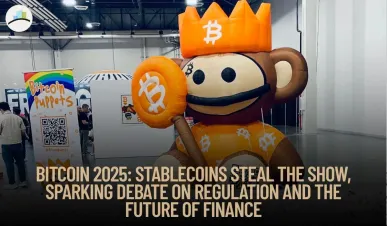
Wow, Stablecoins Totally Rocked Bitcoin 2025!
Okay, so Bitcoin 2025 just wrapped up, and honestly? I wasn't expecting stablecoins to be the big story. I mean, Bitcoin's always the star, right? But this year, it felt different. Everywhere you looked, people were buzzing about stablecoin adoption, regulation, and the future of these crypto-pegged assets. It was intense. I went in thinking I'd be mostly covering the usual Bitcoin maximalist debates, but instead, I spent most of my time trying to keep up with the stablecoin conversations.
The energy in the conference was electric. You could feel the excitement – and maybe a little bit of anxiety, too. It felt like a turning point, a moment where the crypto world was really grappling with the practical implications of these things. We're not just talking about Bitcoin anymore; we’re discussing how these stablecoins will integrate into the broader financial ecosystem and what that means for regulation and everyday users.
The Big Players and Their Takes
Some of the biggest names in crypto were there, of course, and their insights were fascinating. Circle's Jeremy Allaire gave a keynote that was all about USDC's role in bridging traditional finance and crypto. He talked a lot about the importance of regulatory clarity and how stablecoins can be a force for financial inclusion, opening up access to global markets for people who might otherwise be excluded. He was pretty convincing, I have to say. He really emphasized the need for collaboration between governments and the crypto industry to make sure things are done right. He also spent a good chunk of time explaining the tech behind USDC and how they ensure its stability, responding to concerns raised last year. I think his speech showed a lot of confidence and a willingness to engage in honest discussion about these concerns.
On the other hand, Binance's Changpeng Zhao (CZ) took a more cautious approach. He emphasized the need for decentralized stablecoins, highlighting the risks associated with centralized solutions. I felt his presentation was very nuanced - and a bit more cautious than some of the other speakers. He didn't shy away from the challenges, but he also painted a picture of a future where decentralized stablecoins would provide a more robust and censorship-resistant financial system.
Regulation: The Elephant in the Room
Of course, regulation was a major theme throughout the conference. Everyone from seasoned investors to newbie crypto enthusiasts was talking about it. There was a palpable sense of uncertainty about what the future holds. Some people were hopeful that clear guidelines would stimulate responsible innovation and attract more institutional investors. Others were worried about stifling innovation and creating unnecessary barriers to entry. Honestly, I'm still trying to process all the different perspectives. It's a complicated issue with no easy answers. The lack of a clear, unified global regulatory framework seems to be the biggest hurdle at the moment.
Several panel discussions addressed this. I attended one that featured representatives from several regulatory bodies around the world. It was illuminating to hear their perspectives, even if it didn't provide any concrete answers. There’s a lot of work to be done before we see a standardized approach, and that work takes time. And patience. And a lot of open discussion.
What’s Next for Stablecoins?
Predicting the future of anything in crypto is a fool's errand, but based on what I saw at Bitcoin 2025, I think stablecoins are here to stay. Their role in the broader crypto ecosystem is undeniable. How they evolve and are regulated will shape not only the future of the digital asset industry, but potentially the wider world of finance as well. It's going to be an interesting few years, that's for sure.
Disclaimer: This article is for informational purposes only and does not constitute financial advice. Investing in cryptocurrencies involves significant risk, and you could lose money. Always conduct your own research and consult with a financial advisor before making any investment decisions.



