
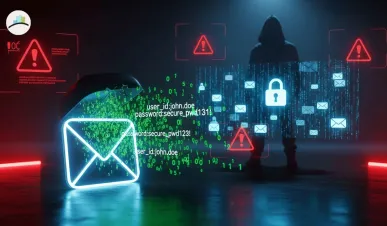
In October 2025, cybersecurity experts discovered a significant data breach affecting 183 million email accounts worldwide. This breach involves email addresses, passwords, and the websites where these credentials were used. The scale of this breach has raised major concerns regarding online security, leaving millions of individuals wondering if their personal information is at risk. The breach is primarily attributed to malware like Lumma Stealer, which infiltrates devices and steals sensitive data.
What Happened? How Was This Breach Triggered?
The breach stems from a popular type of malware known as info-stealers. These are programs designed to gather sensitive data, such as passwords, from compromised systems. The malware works by infiltrating a user’s device, silently stealing login credentials, and sending them back to a remote server controlled by the attacker. Once these credentials are collected, they are often compiled into massive datasets and either sold on the dark web or used in further attacks, like phishing scams.
In this particular case, the stolen data was collected and included not only email addresses but also the associated passwords and links to the sites where those credentials were used. It's important to note that this breach did not target a single email provider, but rather impacted multiple providers including Gmail, Yahoo, and Outlook making it a global security issue.
MORE ARTICLES:
How Can You Protect Yourself?
If you’ve ever used the internet, there’s a high chance your email account is tied to numerous online services like social media, banking, and shopping sites. A breach of your email can be the gateway to much more serious security issues, such as identity theft, financial loss, and more. But don’t panic—here are the steps you should take immediately:
-
Check if Your Email Was Affected
-
The first thing you should do is check if your email address was involved in the breach. While you can check on specific platforms like Have I Been Pwned, make sure you check any accounts that have been exposed to the breach.
-
-
Change Your Passwords
-
If your email was part of the breach, the next step is to change your password immediately. Use a strong, unique password that contains a mix of letters, numbers, and symbols. Avoid using the same password across multiple accounts.
-
-
Enable Two-Factor Authentication (2FA)
-
One of the best ways to protect your accounts from future breaches is by enabling two-factor authentication (2FA). This adds an extra layer of protection. Even if your password is compromised, 2FA makes it more difficult for hackers to gain access to your account.
-
-
Use a Password Manager
-
If you find it difficult to remember strong, unique passwords, consider using a password manager. These tools can help generate and securely store passwords for all your online accounts, ensuring you never use the same password twice.
-
-
Be Cautious of Phishing Attempts
-
Phishing attacks are a common follow-up after a breach. Attackers may send fake emails pretending to be from a trusted source to trick you into giving away personal information or downloading malware. Always verify the sender’s email address and avoid clicking on suspicious links.
-
🚨 Massive Aadhaar (Indian Digital ID) data breach. Hackers sold personal info of 815 million citizens on the dark web, including names, IDs, and addresses for $80K a time.
— No to Digital ID (@NoToDigitalID) October 26, 2025
➡️ Don’t worry, yours will be safe with the British Government.
===
Check out https://t.co/Q8bJ8zCvHI pic.twitter.com/B7pZRLlsvb
Why This Breach Matters
The impact of a data breach like this cannot be overstated. Email accounts are often used as the entry point for other, more sensitive accounts banking, social media, shopping, and more. This breach puts users at risk of identity theft, unauthorized access to personal accounts, and financial loss.
Moreover, this breach could potentially lead to a domino effect, where exposed passwords are reused across different platforms. If your email and password combination from this breach is used on another site, your data could be at risk there as well.
Even though large tech companies like Google (which owns Gmail) and Yahoo continuously monitor their security, breaches like these show how vulnerable online systems can be. This is why it’s critical to stay vigilant and follow security best practices, especially after major breaches.
The Hidden Implications of This Breach
What makes this breach particularly concerning is the amount of time the information may have been available on the dark web before it was discovered. Hackers and cybercriminals often use such large data dumps for months or even years before being caught. This leaves the affected users vulnerable to ongoing attacks, which could result in identity theft or unauthorized access to bank accounts and social media profiles.
Moreover, once your personal data is in the wrong hands, it's incredibly difficult to erase it completely. This breach may have far-reaching consequences for years to come.



