
Rising Geopolitical Tensions Weigh Heavily on U.S. Futures
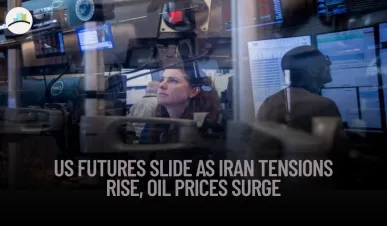
On June 19, 2025, U.S. stock futures tumbled sharply, reflecting investor anxiety over escalating geopolitical risks in the Middle East. News that President Trump was considering potential military action against Iran triggered widespread concern about destabilization in a critical global region. The S&P 500 futures declined nearly 1%, and Dow futures dropped by over 280 points, signaling cautious positioning by traders wary of heightened conflict risk.
The looming threat of military engagement has unsettled markets as investors grapple with the implications of such a move. Historically, heightened U.S.–Iran tensions have introduced significant uncertainty, often causing abrupt shifts in risk appetite. The current episode follows a period of already fragile global economic conditions, exacerbating fears of disrupted trade flows and higher energy costs.
More Articles:
Oil Prices Surge on Supply Disruption Fears
One of the immediate market reactions was a sharp spike in oil prices. Brent crude futures soared close to $75 per barrel, the highest level in nearly five months. This jump is driven by concerns over potential disruptions to oil shipments through the Strait of Hormuz, a strategic chokepoint where nearly a fifth of the world’s seaborne oil passes.
The Middle East’s critical role in global energy supplies means any escalation risks supply shortages, pushing oil prices higher and stoking inflationary pressures worldwide. This dynamic feeds back into equity markets, as rising energy costs can weigh on corporate profits and consumer spending power, further intensifying investor caution.
Global Markets Reflect Broad Risk-Off Sentiment
The ripple effect of U.S. futures decline extended globally. Asian markets such as Japan’s Nikkei 225 and Hong Kong’s Hang Seng index suffered notable losses, falling around 1% and 2%, respectively. European indices also experienced downturns, with Germany’s DAX and France’s CAC 40 both slipping by roughly 1%.
This synchronized global market reaction underscores the interconnectedness of geopolitical risks and capital flows. Investors moved away from riskier assets, seeking refuge in traditionally safer investments such as government bonds and gold, though the latter’s reaction has been more nuanced amid shifting inflation expectations.
Procapitas Insight — Navigating Heightened Uncertainty
-
Geopolitical Risk Premium: The market is currently pricing in a significant geopolitical risk premium, reflecting uncertainty about the timing, scale, and consequences of potential military action. This premium is likely to remain until more clarity emerges.
-
Oil Market Volatility: The surge in oil prices adds another layer of complexity to the inflation outlook. Central banks may face renewed pressure to balance inflation control with growth support, affecting future interest rate decisions.
-
Investor Behavior: Market participants are demonstrating increased risk aversion, reallocating portfolios towards safe-haven assets and sectors traditionally resilient during geopolitical crises, such as utilities and defense.
-
Policy Implications: The evolving situation may influence fiscal and monetary policies globally, as governments brace for potential economic fallout from prolonged instability in the Middle East.
Outlook — Vigilance and Strategic Positioning Recommended
Given the fluid geopolitical landscape, markets are expected to remain volatile in the near term. Investors should maintain heightened vigilance and consider strategic diversification to manage downside risks. While sudden escalations could trigger sharp market moves, any de-escalation or diplomatic progress would likely restore some risk appetite, potentially creating attractive re-entry points for growth-focused assets.
Disclaimer:
This article is intended for informational purposes only and does not constitute investment advice. Procapitas does not provide personalized financial recommendations. Always consult a licensed financial advisor before making investment decisions. Information is based on publicly available sources as of June 2025 and Procapitas’ independent research and analysis.



