
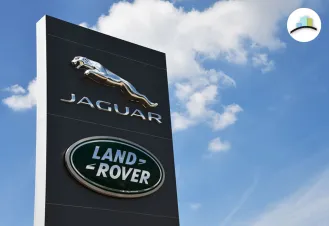
In recent years, Tata Motors has experienced a roller coaster ride of sorts, particularly with its luxury car subsidiary, Jaguar Land Rover (JLR).
The ups and downs in JLR's performance have significantly influenced Tata Motors' financial trajectory.
Now, as JLR embarks on a new phase, there are intriguing dynamics at play that could once again reshape Tata Motors' fortunes.
JLR, renowned for its iconic British brands Jaguar and Land Rover, has had its share of challenges, ranging from economic downturns to shifting consumer preferences and regulatory pressures.
However, amidst these hurdles, there have been remarkable successes too, demonstrating the brand's resilience and potential for growth.
One key factor in JLR's favour is its strong legacy and brand equity. Jaguar, with its rich heritage of crafting luxurious and sporty vehicles, continues to captivate discerning buyers worldwide.
Land Rover, on the other hand, embodies ruggedness and adventure, appealing to a diverse demographic of off-road enthusiasts and urban adventurers alike.
Moreover, JLR has been making strategic investments in electrification and autonomous driving technologies, positioning itself for the future of mobility.
With increasing emphasis on sustainability and innovation, these endeavours could prove pivotal in shaping JLR's competitive advantage and market relevance in the years to come.
Additionally, the global automotive landscape is undergoing a profound transformation, driven by factors such as urbanization, digitalization, and changing consumer behaviours.
In this evolving paradigm, JLR has the opportunity to redefine its offerings and business models, tapping into emerging trends like shared mobility, subscription services, and connectivity solutions.
Furthermore, geographic expansion remains a promising avenue for JLR's growth. While traditionally strong in markets like the UK and the US, the brand has been making inroads into burgeoning economies such as China and India, where rising affluence and aspirational lifestyles are fueling demand for luxury vehicles.
However, navigating these opportunities requires adept management and strategic foresight.
Tata Motors' leadership must leverage JLR's strengths while addressing its weaknesses, ensuring a balanced approach to risk and innovation.
Moreover, synergies within the Tata Group ecosystem could be harnessed to unlock new avenues of growth and efficiency for JLR.
In conclusion, while Tata Motors' journey with Jaguar Land Rover has been characterized by twists and turns, the road ahead is filled with promise and potential.
By harnessing the inherent strengths of its luxury subsidiary and embracing the challenges of a rapidly evolving industry, Tata Motors can once again embark on a thrilling adventure, propelling itself to new heights of success



