
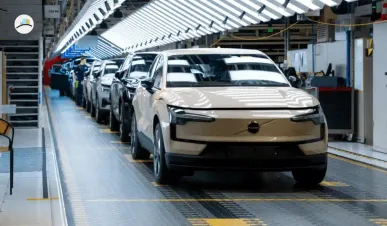
S&P Global Ratings has downgraded its outlook on Volvo Cars from “stable” to “negative,” pointing to rising operational risks from escalating U.S. tariffs and intensifying competitive pressures in the Chinese electric vehicle (EV) market. The move signals growing concern over Volvo’s long-term earnings visibility and its ability to withstand geopolitical headwinds in global automotive trade.
Volvo Faces Global Crosswinds
-
Tariff Exposure in the U.S.
Volvo is increasingly vulnerable to new U.S. tariffs as it imports most of its vehicles into the country. Only one of its models is built locally in the U.S., placing it at a competitive disadvantage compared to automakers with greater domestic production. -
China Competition Mounts
China accounted for approximately 20% of Volvo's total car sales in 2024. However, local EV manufacturers—boosted by state support and aggressive pricing—are gaining market share rapidly, making it harder for foreign brands like Volvo to maintain volume and margins. -
Geopolitical Risk Rising
A proposed U.S. ban targeting Chinese-controlled automakers by 2027 adds further uncertainty. While Volvo maintains Swedish headquarters, it is majority-owned by China's Geely, which may come under regulatory scrutiny if such legislation passes.
Financial Impact and Credit Downgrade Rationale
-
S&P cited Volvo’s heavy reliance on imports and weakening competitive edge as core reasons for the outlook downgrade.
-
The credit rating agency highlighted potential erosion in profitability and cash flow generation, particularly over the 2025–2026 period.
-
The firm warned that if current trends continue, Volvo’s credit metrics could slip below investment-grade thresholds.
“Volvo Cars’ exposure to tariffs, margin pressure in China, and evolving U.S. legislation present considerable challenges to its credit profile,” said S&P in its latest assessment.
Volvo’s Response Strategy
-
Cost Reductions: Volvo has announced the elimination of around 3,000 white-collar jobs globally in an effort to cut operational costs.
-
No Forward Guidance: The company has withdrawn forward-looking earnings guidance, signaling volatility in forecasting near-term performance.
-
Focus on Core Markets: Volvo may prioritize strengthening its position in Europe and high-margin hybrid models to offset global risks.
Market Context & Industry Trends
Volvo’s downgrade comes amid broader disruptions in the global auto market:
-
U.S.-China trade tensions have revived under new tariff proposals.
-
Chinese EV makers such as BYD, NIO, and XPeng are challenging legacy players.
-
S&P expects continued margin compression for foreign automakers operating in Asia unless they adapt with localized supply chains and price-competitive offerings.
Source



