
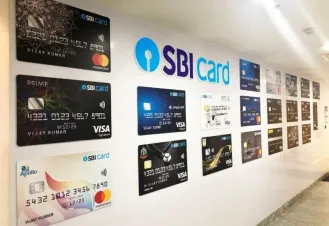
In the midst of the festive season, SBI Cards experienced a noteworthy surge, witnessing a remarkable 50% increase in credit card spends in November. The aggregate credit card spends across the industry saw a robust year-on-year growth of 40%, amounting to Rs 1.6 lakh crore for the month, compared to a 38% YoY growth in October. SBI Cards, however, outshone the industry average with an impressive 50% YoY surge in spends, reaching Rs 31,400 crore for the same period, as highlighted by Jefferies, referencing RBI data.
Interestingly, the market dynamics revealed fluctuations in spends market share among key credit card players. HDFC Bank and RBL demonstrated positive momentum with rises of 88 and 26 basis points month-on-month, respectively. In contrast, ICICI Bank and Axis Bank witnessed declines of 184 and 60 basis points MoM, respectively. Despite monthly spend share volatility for SBI Cards, Jefferies emphasized that its year-to-date spend share is tracking better than the previous year, standing at 18.4%, making it the second-highest after HDFC Bank (27%) and ahead of ICICI Bank (17.7%).
As of 1:25 pm, SBI Cards' stock was quoted at Rs 774.50 on the NSE, reflecting a 1.2% increase from the previous close. According to recent RBI data, the growth of credit cards in force (CIF) for the industry slightly slowed down to 19% YoY, totaling 96 million as of November 23. SBI Cards, however, maintained a stable market share of CIF at 19% month-on-month, reaching 18.3 million as of the month-end.
While the number of cards and spends surged in November, the RBI concurrently raised concerns about risks in unsecured consumer loans and increased risk weights to address systemic risk. The report by Jefferies also delves into the dynamics of revolver mix, emphasizing that SBI Cards' revolver mix may be slightly impacted due to robust festive spends, a lag in the conversion of these spends into revolver, and an increase in customer sourcing with better credit profiles. Jefferies projects a revolver mix of 24.5% in FY25, highlighting that a 50 basis points lower revolver mix could potentially impact FY25 earnings by 1.5%. The intricate interplay between festive spending patterns, revolving credit dynamics, and regulatory shifts underscores the evolving landscape of the credit card industry.



