
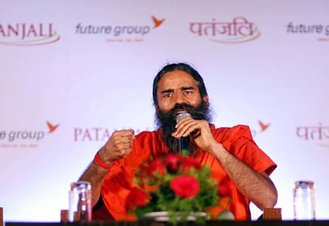
Patanjali Ayurved Limited, a well-known Indian consumer goods company, and its subsidiary, Patanjali Foods, recently faced a setback as their shares fell over 4% following the freezing of promoters' shares by exchanges. This development is significant for investors, and understanding the reasons behind it is crucial for making informed investment decisions. In this blog post, we will provide a finance-based technical analysis of Patanjali Foods' stock performance to shed light on the underlying factors that may have led to the recent decline in share prices.
To begin, let us understand why exchanges freeze promoters' shares. Generally, exchanges freeze promoters' shares when there are concerns about the source of funds used to acquire these shares. In the case of Patanjali Foods, exchanges froze the promoters' shares because the promoters had pledged them with lenders to secure loans, and the shares were subsequently sold by the lenders in the market. This caused a sharp decline in the company's share price, leading to concerns about the promoters' financial stability and the company's overall performance.
Now, let us delve deeper into Patanjali Foods' financial performance in recent years. The company has been expanding its product portfolio and increasing its market presence, leading to a steady rise in revenue. However, the company's profitability has been inconsistent, with some quarters showing a decline in net profit. This inconsistency may be attributed to the company's high capital expenditure and aggressive expansion strategy, which may impact its bottom line.
Moving on to technical analysis, Over the past year, the company's stock price has shown a significant decline, with the shares falling over 50% from their peak. This decline is more pronounced when compared to the broader market, which has remained relatively stable over the same period. This divergence in performance suggests that investors have lost confidence in Patanjali Foods' growth prospects.
The moving averages suggest that the stock price has been on a downward trend for a sustained period, with no signs of a reversal. Additionally, the RSI indicates that the stock is oversold, which means that the selling pressure may have been overdone, and a rebound may be imminent.
However, it is essential to compare Patanjali Foods' performance with that of other companies in the same sector to gain a broader perspective. When compared to other FMCG companies in India, Patanjali Foods' performance has been lacklustre, with the stock price underperforming the sector index consistently. This underperformance suggests that investors may be losing faith in the company's management and growth strategy.
Moving on to fundamental analysis, The company's financial ratios, such as the P/E ratio and debt-to-equity ratio, indicate that the company's valuation is relatively high, while its debt levels are also increasing. This increase in debt levels may be attributed to the company's aggressive expansion strategy, which may impact its ability to generate free cash flow in the future.
While the company has a strong brand presence in India, it faces stiff competition from other FMCG players, both domestic and international. Additionally, the company's growth prospects may be impacted by the recent slowdown in India's consumer goods sector.
The company's founder, Baba Ramdev, has a significant following and influence, but there have been concerns about the lack of transparency in the company's governance practices. This lack of transparency has raised concerns among investors and may be impacting the company's stock performance.
Investors should carefully evaluate these factors and consider their risk appetite before making any investment decisions in Patanjali Foods' shares. While the oversold nature of the stock and the company's strong brand presence may present potential opportunities, investors should also consider the potential risks associated with investing in a company with inconsistent profitability and governance concerns.



