
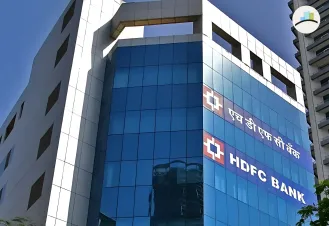
HDFC Bank, India's largest private sector lender by assets, is set to announce its financial results for the first quarter of the fiscal year today.
Investors and analysts are keenly watching the bank’s performance metrics, particularly in light of the recent merger with its parent company, Housing Development Finance Corporation (HDFC).
The integration of HDFC's mortgage business into the bank’s portfolio is expected to provide a substantial boost to its financials.
However, concerns over the Current Account Savings Account (CASA) ratio might cast a shadow on the otherwise positive outlook.
Analysts project that HDFC Bank's net profit for the April-June quarter will see a significant increase, bolstered by robust loan growth and improved asset quality.
The merger with HDFC is anticipated to contribute positively, enhancing the bank’s revenue streams and profitability.
The consolidated entity is expected to leverage synergies from the merger, leading to cost efficiencies and an expanded customer base.
The bank's loan book is expected to have grown steadily, driven by strong demand in retail and corporate segments.
This growth trajectory aligns with the overall economic recovery post-pandemic, which has seen increased credit uptake across various sectors.
Additionally, HDFC Bank's focus on digital banking and customer acquisition strategies are likely to have played a pivotal role in driving loan growth.
Despite the optimistic profit forecasts, there are concerns regarding the bank’s CASA ratio.
The CASA ratio, which measures the proportion of a bank’s deposits that are in current and savings accounts, is a critical indicator of a bank’s liquidity and cost of funds.
A higher CASA ratio generally implies a lower cost of funds, as these accounts typically pay lower interest rates compared to fixed deposits.
Reports suggest that HDFC Bank’s CASA ratio may have deteriorated during the quarter. Several factors could have contributed to this potential decline.
Firstly, there may have been a shift in customer preferences towards higher-yielding fixed deposits, influenced by the increasing interest rate environment.
Additionally, competitive pressures from other banks offering attractive rates on savings accounts could have also played a role.
The potential decline in the CASA ratio might impact the bank’s net interest margin (NIM), a key profitability metric.
A lower CASA ratio indicates a higher cost of funds, which could compress the NIM.
Investors will be closely monitoring the bank’s management commentary on this aspect during the earnings call to understand the underlying reasons and future outlook.
The successful integration of HDFC’s mortgage business is a focal point for analysts.
The merger, which was one of the largest in India’s corporate history, is expected to bring about significant synergies.
These include cross-selling opportunities, enhanced product offerings, and a more comprehensive financial services platform for customers.
The combined entity is also expected to benefit from economies of scale, leading to improved operational efficiencies.
HDFC Bank’s management is likely to provide updates on the progress of the integration process and the realization of synergies during the earnings announcement.
The market will be keen to assess how well the bank is capitalizing on these opportunities and the impact on its overall financial performance.
Another critical area of focus will be the bank’s asset quality.
With the Indian economy showing signs of recovery, there has been a general improvement in asset quality across the banking sector.
HDFC Bank is expected to report lower non-performing assets (NPAs) and reduced provisions for bad loans, reflecting improved credit conditions.
However, the bank's exposure to certain staessed sectors, such as real estate and small and medium enterprises (SMEs), will be scrutinized.
Any significant slippages or provisioning requirements in these segments could affect the bank’s profitability.
The management’s outlook on asset quality and the steps being taken to mitigate risks will be closely watched by stakeholders.
HDFC Bank’s ongoing investments in digital banking and technological advancements are expected to be a highlight of the earnings report.
The bank has been at the forefront of digital innovation, introducing several new products and services aimed at enhancing customer experience and operational efficiency.
The adoption of digital banking solutions has accelerated in the post-pandemic era, with customers increasingly preferring online and mobile banking platforms.
HDFC Bank’s efforts to expand its digital footprint, including initiatives like digital loan disbursements and online account openings, are likely to have contributed positively to its performance.
As HDFC Bank prepares to announce its Q1 results, the market is poised for a detailed assessment of its financial health and strategic direction.
While the anticipated rise in net profit and loan growth are positive indicators, concerns over the CASA ratio and its potential impact on net interest margin cannot be overlooked.
The successful integration of HDFC’s mortgage business and the realization of synergies will be critical for the bank’s future growth trajectory.
Additionally, improvements in asset quality and continued focus on digital banking will play significant roles in shaping the bank’s performance in the coming quarters.
Investors and analysts will be closely monitoring these aspects to gauge the overall impact on HDFC Bank’s financial stability and growth prospects.



