
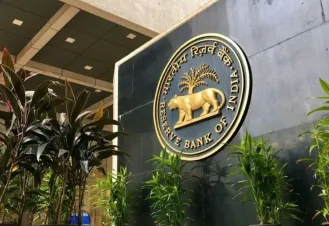
In 2024, Foreign Institutional Investors (FIIs) have exhibited a significant withdrawal of approximately Rs 46,000 crore from financial stocks, sparking concerns about the role of the Reserve Bank of India (RBI) in this trend.
This notable exodus of funds has drawn attention to the intricacies of the financial markets, leading analysts and experts to ponder over the underlying factors contributing to such a substantial divestment.
The retreat of FIIs from financial stocks prompts a deeper analysis of the prevailing economic landscape and its interplay with regulatory policies.
As stakeholders reflect on the implications of this massive capital movement, questions arise regarding the stability of financial markets, the efficacy of regulatory measures, and the potential ramifications for investors and the broader economy.
At the heart of this phenomenon lies the role of the RBI, which serves as the principal regulator overseeing the functioning of financial markets in India.
Market observers are keen to assess whether the central bank's policies and directives have inadvertently catalyzed this withdrawal, or if external market forces have predominantly driven the investor sentiment.
The intricate dance between market dynamics and regulatory frameworks underscores the complexities inherent in the global financial ecosystem.
Factors such as interest rate adjustments, inflationary pressures, geopolitical tensions, and macroeconomic indicators all contribute to the delicate balance of investor confidence and market stability.
Moreover, the implications of FIIs withdrawing significant sums from financial stocks extend beyond immediate market fluctuations.
Such movements have the potential to influence exchange rates, credit availability, and overall economic growth, necessitating a nuanced understanding of the underlying drivers and their broader ramifications.
In this context, stakeholders, ranging from policymakers and economists to investors and market participants, find themselves engaged in a multifaceted dialogue aimed at deciphering the underlying causes of the FII withdrawal and formulating appropriate responses to mitigate potential risks and foster sustained economic growth.
As the narrative unfolds, the role of the RBI emerges as a focal point for scrutiny and analysis.
The central bank's ability to navigate the intricate dynamics of the financial markets while maintaining stability and fostering investor confidence will undoubtedly shape the trajectory of India's economic landscape in the days to come.
Thus, the story of FIIs withdrawing from financial stocks serves as a poignant reminder of the interconnectedness of global markets and the imperative of effective regulatory oversight in safeguarding financial stability.



