
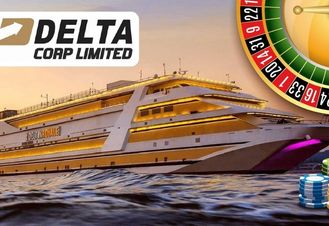
Delta Corp Limited, a prominent casino and online gaming company, has seen its shares plummet by 22 percent in the past month, hitting a 52-week low at Rs 128 in early trading on October 16. The stock's decline follows the company's subsidiary receiving a notice demanding payment of Rs 6,384 crore for a tax shortfall. This latest notice has pushed the total demand from the group to over Rs 23,000 crore, significantly surpassing the company's market capitalization of Rs 3,749 crore.
The challenges faced by Delta Corp and other gaming companies are a result of the GST council's decision to impose a 28 percent tax on the entire face value of chips purchased for playing. This taxation approach marks a significant departure from the previous system, where GST was applied solely to the net house winnings, resulting in a considerable financial burden on gaming companies and their customers.
Delta Corp's subsidiary, Deltatech Gaming Limited (formerly Gaussian Networks), received the GST notice, which calls for the payment of the alleged tax shortfall, including interest and penalties. Failure to comply with the notice may lead to a show-cause notice being issued to the company under Section 74(1) of the CGST Act, 2017. Additionally, on September 22, the company received a direct tax notice of Rs 11,140 crore, while three of its subsidiaries, namely Casino Deltin Denzong, Highstreet Cruises, and Delta Pleasure Cruises, were issued notices for Rs 5,682 crore. These substantial financial demands are based on the gross bet value of games played, according to the company.
The method of calculating GST on the gross bet value, rather than the gross rake amount, has been a contentious issue for the gaming industry. The company has made various representations to the government at an industry level, addressing this issue and its potential impact on the sector.
The GST council's decision to impose a 28 percent tax on the entire face value of gaming chips purchased for playing has created significant challenges for casinos and online gaming companies. Under this tax structure, for every Rs 100 worth of chips acquired, the player effectively receives only Rs 72 to wager, resulting in a notable reduction in gaming value. This marked departure from the previous tax regime, which solely taxed the net house winnings, has led to financial and operational difficulties for gaming companies and a less favorable gaming experience for their customers.
As a result, the decline in Delta Corp's stock price can be attributed to the financial pressures arising from the substantial tax demands, which now total over Rs 23,000 crore. The contrast between this significant financial liability and the company's market capitalization is indicative of the challenges faced by the gaming sector in the wake of the GST council's decision. The adverse impact on the industry is reflected in the stock's declining value, which is of concern to both the company and its investors.
The situation underscores the need for a resolution to the issue of GST taxation in the gaming sector, which has implications not only for the financial health of gaming companies but also for the gaming experience of customers. The ongoing challenges and financial liabilities faced by Delta Corp and other gaming firms highlight the urgency of addressing this issue through dialogue and policy changes to ensure the industry's sustainability and the protection of customer interests. As the stock continues to be under pressure, it remains to be seen how the company and the broader gaming industry will navigate this challenging tax landscape.



