
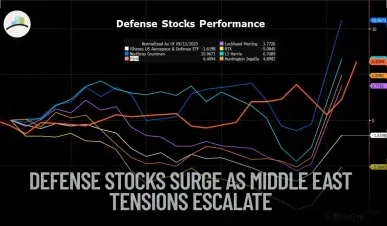
Global defense firms are seeing sharp inflows as the Israel‑Iran showdown worsens—but beneath the headlines lies complexity that markets may be overlooking.
⚠️ Why This Matters Now
The recent surge in defense stocks isn't just reactionary. Investors are anticipating higher long-term defense budgets, expanded arms exports, and renewed military-backed R&D—especially from NATO and Gulf states. Meanwhile, defense sectors in Asia are also beginning to attract attention.
But markets often miss the full spectrum of conflict fallout. Historically, geopolitical strife triggers sudden spikes in oil, gold, and defense assets. However, initial shocks can morph into broad volatility that affects even those economies not directly involved in the crisis.
🔍 What’s Not Being Talked About Enough
1. Budget trade-offs
Governments increasing defense spending may need to cut elsewhere—like healthcare, education, or renewable infrastructure. That’s a long-term opportunity cost with deep social and political implications.
2. ESG investing dilemmas
War-linked investments challenge environmental and ethical mandates. Asset managers could soon face scrutiny over holding positions in defense and fossil fuel companies—especially those touting ESG alignment.
3. Supply chain vulnerabilities
Any escalation in the Middle East—particularly around the Strait of Hormuz—risks disrupting key trade routes, increasing marine insurance rates, and pushing up logistics costs globally.
📈 Business and Economic Implications
-
Defense manufacturers are poised to benefit from increased orders, not just in the U.S. but also in Europe, India, and parts of Asia.
-
Oil and gas firms are seeing price spikes that could fuel record earnings—but may also revive inflation concerns.
-
Travel, tourism, and retail are likely to suffer from rising oil prices, risk aversion, and changing consumer sentiment.
📚 Historical Parallels
Past wars and geopolitical shocks—from the Gulf War to Russia-Ukraine—show a consistent pattern: defense and commodities spike early, followed by broader market volatility. Gold typically rises, while equities may bounce in the short term but remain exposed to longer-term economic dislocation.
More Articles on ProCapitas:
🔎 Risks & Opportunities Lurking Below
-
Hidden Risk: A regional conflict escalation—such as attacks on U.S. bases or shipping corridors—could roil global trade and markets.
-
Hidden Opportunity: Firms developing AI, satellite surveillance, and cyber defense may emerge as the next leaders in military modernization, offering strategic exposure beyond traditional defense contractors.
-
Policy Quake: National budgets could tilt heavily toward defense, with long-term implications for public services, deficit spending, and sovereign debt risk.
🧭 Strategy Going Forward
Investors should consider:
-
De-risking exposure to sectors vulnerable to rising fuel prices and geopolitical risk (e.g., airlines, cruises, retail).
-
Selectively increasing positions in quality defense and energy plays.
-
Watching for shifts in military doctrine, government budgets, and public sentiment as the crisis unfolds.
🛑 Disclaimer
This article is for informational purposes only and should not be considered investment advice. All analysis presented reflects speculative viewpoints based on current publicly known events. Financial markets are inherently volatile and unpredictable, especially during geopolitical conflicts. Readers should consult professional advisors and conduct their own due diligence before making any investment decisions. The author and publisher assume no responsibility for financial decisions made based on this content.



