
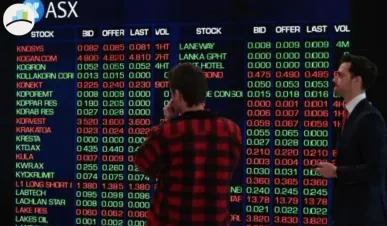
The Australian stock market crash today isn’t just a one-day blip—it’s a massive shockwave that has rattled investors, financial markets, and anyone with skin in the game. $60 billion wiped off the market in a single session, sending stock prices plummeting, investor confidence evaporating, and red flags flashing in the face of Australia’s already fragile economy. But what does this mean for the average Australian, and more importantly, how long will this pain last?
$60 Billion Lost in One Day: What Happened?
It all started early this morning when the S&P/ASX 200 index took an immediate dive. By the time the bell rang for closing, $60 billion in value was wiped off the Australian Securities Exchange (ASX). The ASX 200 dropped a significant 1.9%, with the broader market seeing even bigger losses.
So, what triggered the plunge?
-
Global Market Anxiety: The fallout from global events, particularly concerns about a global recession, inflation fears, and tightening monetary policies, sent investors running for the hills.
-
Tech Stocks in Freefall: The tech sector was hit hardest, with heavy losses in big Australian tech stocks, compounding the market’s vulnerability. These stocks have had an overinflated valuation and a correction was inevitable.
-
Commodity Price Struggles: Australia’s dependence on mining exports means fluctuations in global commodity prices, especially iron ore and coal, deeply affect the market. And when those prices slip, the whole economy suffers.
-
Interest Rates and Inflation Fears: Investors are bracing for higher interest rates to curb inflation, meaning borrowing costs will rise and growth stocks could face serious challenges.
MORE ARTICLES:
The Fallout: Why It’s Not Just Numbers on a Screen
It’s easy to look at the $60 billion loss as just another market fluctuation. But for millions of Australians, this crash is deeply personal.
-
Superannuation Funds: The value of Australians' superannuation—their retirement savings—is tied to the stock market. When the market crashes, it’s not just the billion-dollar investors who lose; regular people lose their future savings.
-
Property Prices: If the stock market continues to slide, it could spill over into other parts of the economy, including property markets. When people feel less wealthy, they spend less, which impacts real estate, a critical sector in Australia’s economy.
-
Consumer Confidence: The market crash has psychological implications too. If people see their investments and retirement funds tanking, they may pull back from spending money—which will affect everything from retail to consumer goods.
This isn’t just about big players in the market. It’s about real people in Australia who are now wondering if they’re ready for what could be a prolonged economic downturn.
What’s at Stake: The Long-Term Implications
We’re not just looking at a bad day. This crash could have long-lasting effects on Australia’s economic outlook. Here’s how it could play out:
-
Worsening Economic Conditions: A crash like this can signal worsening economic fundamentals. If businesses start to cut back on expansion or hiring, it could lead to higher unemployment and an economic slowdown.
-
Rate Hikes and Borrowing Costs: With inflation still in the picture, central banks may continue raising interest rates. That could further hurt the housing market, add pressure on household debt, and leave Aussies tightening their belts even further.
-
Investor Confidence: This drop could trigger a broader confidence crisis—if people feel the market is too volatile, they may pull money out, slowing the recovery even more.
In short: We could be looking at a perfect storm of issues that combine to make a potential economic disaster much worse if not addressed.
What’s Next? The Immediate Road Ahead
If you're wondering whether this is the beginning of a bear market, the truth is, only time will tell. The market is known for its volatility, but we may see a short-term rebound if global economic conditions improve. However, there’s a chance that this market correction could deepen, especially if inflation fears continue to rise.
So, what can we expect in the short term?
-
Potential Government Intervention: The Reserve Bank of Australia (RBA) may need to intervene to ease market fears. If the stock market’s dip spills into the broader economy, we could see policy changes designed to keep the economic engine running.
-
Market Recovery? Or More Pain?: Analysts will be watching closely for signs of recovery. If key sectors like mining, banking, and tech recover, we could see the ASX rebound. However, if concerns over global instability continue, further losses are likely.
Why This Crash Matters to You, and What You Can Do About It
Today’s crash is a wake-up call for investors and everyday Australians alike. Here’s how it could impact you directly:
-
Review your investment portfolio: If your money is heavily invested in tech stocks or high-growth sectors, you may want to consider diversifying to protect your wealth.
-
Be mindful of your spending: If the market continues to slide, consumer confidence may take a hit, and with that, consumer spending might follow. It’s wise to brace for tighter times ahead.
-
Think long-term: While it may be tempting to panic sell during a market crash, it’s important to remember that stock markets recover over time. Patience is key.
Conclusion: Stay Alert, Stay Prepared
The Australian stock market crash today is a stark reminder of how quickly things can change in the financial world. With $60 billion wiped off the market and key sectors struggling, the short-term outlook remains uncertain.
But this isn’t just a story about numbers—it’s about real consequences for millions of Australians. How this plays out will depend on economic recovery, global factors, and how governments respond.
If you’re an investor, it’s crucial to stay informed, reassess your strategy, and be ready for potential volatility. The path ahead may be rocky, but history tells us that markets do recover—though how soon and how strongly is anyone’s guess.
Stay tuned. The story is far from over.
Disclaimer:
This article is intended for informational purposes only and does not constitute investment advice. Procapitas does not provide personalized financial recommendations. Always consult a licensed financial advisor before making investment decisions. Information is based on publicly available sources as of June 2025 and Procapitas’ independent research and analysis.



