
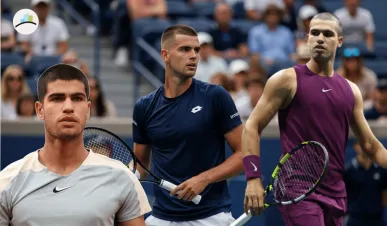
Tennis sensation Carlos Alcaraz surprised fans and media alike at the US Open with a dramatic new look: a clean buzz cut. The young Spaniard, known for his dynamic game and stylish appearance, has often used his hair as part of his signature on-court image. This sudden change immediately sparked curiosity and speculation across social media and sports news platforms.
Why Did Alcaraz Shave His Head?
The move appears to be both practical and symbolic. From a performance standpoint, shorter hair can offer comfort during grueling matches in New York’s late-summer heat. Mentally, athletes often make visible changes to mark a fresh start or signal new focus — in this case, the tournament may represent a turning point in Alcaraz’s US Open campaign. Fans have compared this to similar choices by other top athletes, who often change appearances before major competitions to reset mentally or embrace a fresh phase in their careers.
Impact on Public Perception and Branding
Alcaraz’s haircut is more than a style statement; it carries branding implications. Personal image is a key asset for young sports stars, influencing endorsements, social media presence, and marketability. A bold change like this generates viral attention, potentially increasing engagement with sponsors and fans. Historically, such image shifts can enhance a player’s persona, making them more memorable both on and off the court.
The Competitive Context: Facing Tiafoe at the US Open
Alcaraz’s haircut coincides with high-pressure matchups, including his notable encounter with American player Frances Tiafoe. Analysts note that both players are at pivotal points in their careers, with Alcaraz seeking to assert dominance on hard courts while Tiafoe continues to rise in rankings. This visual transformation could also serve as a psychological tactic, subtly signaling confidence and focus to opponents.
Broader Implications for Tennis Culture
The buzz cut reflects evolving trends in tennis where athletes increasingly use personal style to convey character, resilience, and individuality. It may inspire younger players to experiment with self-expression as part of their mental preparation, blending fashion with performance psychology. Moreover, it highlights the media’s growing focus on athlete branding as an essential part of sports culture.
Looking Ahead: What to Watch
Fans and analysts will monitor whether Alcaraz’s haircut coincides with an upturn in performance at the US Open. Beyond aesthetics, it’s a test of how mental preparedness, confidence, and personal branding intersect in high-stakes competitions. If successful, this could become a talking point for future tournaments and a minor cultural shift in how players approach pre-match routines.



