
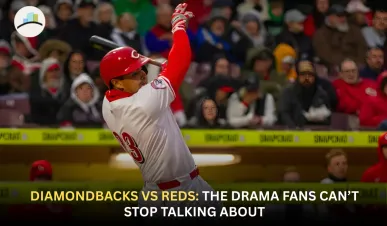
The Arizona Diamondbacks’ home series against the Cincinnati Reds at Chase Field this week wasn’t just another late-summer baseball matchup. It was a showcase of how Major League Baseball is evolving—on the field, in the stands, and in the business of fan entertainment.
For fans, the clash brought together two teams with different identities: the Diamondbacks riding the wave of last year’s postseason success, and the Reds banking on a new generation of young stars. For MLB as a whole, this series spotlighted how mid-market teams can still command national attention in a sport dominated by big-market franchises.
Why Fans Should Care
The real story isn’t only about wins and losses. It’s about:
-
Entertainment value: Chase Field’s atmosphere has shifted—bigger crowds, louder energy, and a fan culture that believes in the Diamondbacks again.
-
Cultural pride: For Phoenix, baseball is more than sport; it’s a marker of civic identity. When the Diamondbacks succeed, it trickles into tourism, local businesses, and even the city’s national visibility.
-
Baseball’s future model: The Reds, meanwhile, represent MLB’s gamble on young talent driving excitement, attendance, and merchandising without the massive payrolls of the Yankees or Dodgers.
What the Numbers Reveal
Here’s how the Diamondbacks and Reds stack up this season (as of late August 2025):
| Team | Avg Attendance 2025 | Payroll ($M) | Playoff Odds | Star Players to Watch |
|---|---|---|---|---|
| Arizona D-Backs | 34,200 (up 18% YoY) | 142 | 62% | Corbin Carroll, Zac Gallen |
| Cincinnati Reds | 27,100 (up 9% YoY) | 112 | 28% | Elly De La Cruz, Hunter Greene |
Why this matters: Attendance growth isn’t just about ticket sales—it drives sponsorship deals, local media value, and community engagement. The Diamondbacks’ rise shows fans will invest emotionally and financially when they see their team commit to winning.
What Isn’t Being Talked About Enough
-
The Fan Economy: Every full house at Chase Field pumps millions into Phoenix’s nightlife, restaurants, and hotels. This is why local governments quietly track team performance—it has measurable tourism impact.
-
Streaming & Entertainment Shifts: MLB’s future lies in digital platforms. Younger fans, especially Reds followers intrigued by Elly De La Cruz, consume highlights on TikTok and YouTube before full games. This series highlighted the need for MLB to market players as personalities, not just athletes.
-
Psychology of Hope: Fans crave storylines. For Arizona, it’s the “prove last season wasn’t a fluke” narrative. For Cincinnati, it’s the “believe in the kids” story. MLB thrives when teams provide emotional arcs that fans can buy into.
Opinion: Baseball Needs More Series Like This
This Diamondbacks-Reds matchup proves that baseball is at its best when local passion meets national relevance. Fans don’t just want scores—they want drama, identity, and hope.
If MLB is serious about staying America’s pastime in the Netflix era, it needs to market these mid-market clashes as entertainment products equal to blockbuster TV shows. Every game should feel like an episode in a season-long drama—and this series delivered that.
Why This Matters for the Future of Baseball
-
For Fans: Expect more affordable ticket promotions, enhanced ballpark experiences, and gamified digital engagement as teams fight to keep stadiums packed.
-
For MLB: The success of teams like the Diamondbacks and Reds determines whether baseball can avoid becoming a league of “haves” and “have-nots.”
-
For Cities: A winning baseball team doesn’t just lift spirits—it moves economies. For Phoenix and Cincinnati, every extra playoff game is millions in local revenue



