
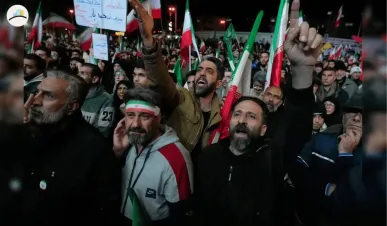
A major geopolitical development unfolded this week as Iran, the United States, and Israel moved toward a temporary ceasefire after a period of escalating tensions that had pushed the region to the brink of a wider conflict.
🚨MASSIVE EXPLOSIONS IN TEHRAN ITAN FOLLOWING US ISRAELI STRIKES
— SANTINO (@TheRealSantino) April 4, 2026
Iran Israel US War News Live Updates:
The month-long US-Israel war with Iran and its regional allies is intensifying, with rising casualties, expanding battlefronts and mounting global economic impact. US… pic.twitter.com/2HuNcnDiUn
The agreement, expected to last two weeks, follows intense diplomatic efforts that helped de-escalate the situation at a critical moment. With military actions looming, negotiations created a narrow window for both sides to step back and reassess, offering a short-term pause in hostilities.
A Critical Pause in Escalation
The truce comes after rising threats and warnings, including strong rhetoric from Donald Trump, who indicated potential economic and strategic consequences for countries supporting Iran. These developments added pressure to an already volatile situation, accelerating the push for a temporary agreement.
While the ceasefire has reduced immediate tensions, it does not resolve the deeper issues at play. Key concerns—such as regional influence, military alliances, and long-standing political disputes—remain largely unaddressed.
MORE ARTICLES:
Uncertainty Beneath the Surface
Despite the announcement, stability in the region remains fragile. Isolated incidents and ongoing tensions suggest that the ceasefire may be difficult to sustain without continued diplomatic engagement.
The situation is further complicated by overlapping conflicts and alliances across the Middle East, making a comprehensive resolution far more complex than a single agreement.
Economic and Strategic Pressure Continues
Beyond military considerations, economic strategies are also shaping the next phase of the conflict. Proposed tariffs and warnings to nations interacting with Iran signal that pressure tactics are still very much in play.
At the same time, Iran continues to assert its strategic position, particularly in areas tied to trade routes and regional security—factors that could influence future negotiations.
What Lies Ahead
While the ceasefire offers a temporary break from immediate confrontation, it is widely seen as a pause rather than a resolution. The coming days will be crucial in determining whether diplomatic efforts can translate into longer-term stability.
For now, the world watches closely as one of the most sensitive geopolitical flashpoints enters a critical phase, with the potential to reshape regional dynamics in the weeks ahead.



