
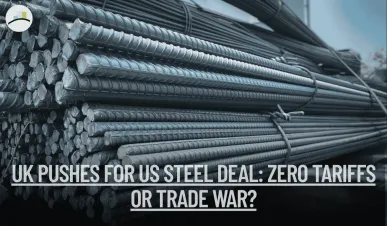
UK to Push for Zero-Tariff Steel Deal with US
So, the big news swirling around today is the UK's plan to really put the pressure on the Trump administration – or, well, the Biden administration now, I guess – to finally get that zero-tariff deal for steel sorted. It's been a long, drawn-out process, honestly, filled with trade wars and threats and all sorts of behind-the-scenes negotiations that we, the public, haven't really been privy to. But now, things seem to be heating up again. The UK government is reportedly prepping for some serious talks, hoping to convince the US to drop the tariffs on steel imports. They're arguing it would boost both economies, improve trade relations, and generally be a win-win. I mean, in theory, that makes perfect sense, right? But international trade isn't always that simple.
Why This Matters (a Lot)
For the UK, this isn't just about a few extra tons of steel. This is about building stronger trade links with a key ally. Remember Brexit? A big part of that whole saga was about forging new trade deals outside the EU. The US is a huge market, and steel is a significant industry. Landing this zero-tariff deal would be a major victory for the UK, showing they can successfully navigate post-Brexit trade negotiations and secure beneficial agreements. For the US side, it’s supposedly about protecting domestic industries. That’s the line, anyway. But the reality is often more complicated than that, involving lobbying groups and political considerations. Plus, there are many businesses that rely on reasonably priced steel. I'm sure the economic impact is pretty complex. It’s more than just tariffs; it's about the overall health of the industries and the relationships between nations.
What's the UK's Plan?
From what I've been reading, the UK’s strategy seems to be a mix of diplomacy and, perhaps, a little bit of arm-twisting. They’ll be highlighting the mutual benefits – stronger trade, economic growth – and likely offering some concessions of their own. It’s a delicate dance, you know? It’s not just about throwing money at the problem; it's about finding common ground and building a relationship based on trust and mutual benefit. They also might be offering some compromises on other trade issues, to sweeten the deal and make it more appealing for the US side. It'll be interesting to see exactly what they're putting on the table.
The Obstacles Ahead
The path to a zero-tariff agreement is far from clear. The US has a history of protecting its domestic steel industry, and there's likely to be significant opposition from some sectors. Plus, political landscapes shift frequently, especially in Washington. There are many stakeholders who could disrupt these talks; it's not only government-to-government, but also companies, unions, and influential individuals all playing a role. I wouldn't be surprised if there's a lot of lobbying and behind-the-scenes maneuvering before anything concrete happens. We really are in for a long and potentially bumpy ride, I'm afraid.
What Happens Next?
Honestly, predicting the outcome is tough. The negotiations could be protracted, with many twists and turns. It’s a delicate balance of political and economic pressure, and even the slightest shift in either of these could derail the deal or significantly change the outcome. We'll need to keep a close eye on the developments coming from Washington, keep our ear to the ground, and pay attention to how things unfold in the coming weeks and months. This isn’t just some small trade agreement; the results will impact jobs, investment, and potentially even broader relations between the US and the UK. The situation is certainly one to watch.
Disclaimer: This article is for informational purposes only and should not be considered financial or investment advice. The information provided here is based on publicly available data and reports. Market conditions and political landscapes are subject to rapid change.



