
What’s going on here?
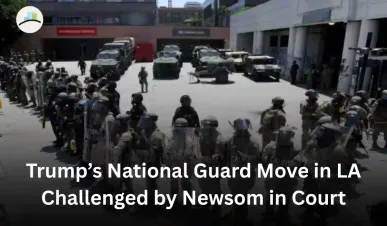
So, here’s the deal—Trump sent thousands of National Guard troops, plus a few hundred Marines, into Los Angeles. He says it's to support ICE and help keep order during immigration raids. But California Governor Gavin Newsom wasn’t having it. He sued, saying Trump overstepped and that the whole move was unconstitutional.
A federal judge actually agreed with Newsom, saying the president couldn’t just take control of state troops like that. He called the whole thing “illegal” and said the troops should go back under the state’s control.
But—right after that ruling—a federal appeals court stepped in and put the judge’s order on pause. That means, for now, Trump still has control of the troops until a final decision gets made. There's a big hearing coming up Tuesday where they’ll dig into this whole mess.
Why this matters a lot
This isn't just about politics—it’s about power. Who really gets the final say: the state or the federal government?
Governor Newsom argues this whole situation goes against the Tenth Amendment. He says it’s not okay for the president to use the military like this inside the country, especially when there isn’t any real emergency. He believes this violates the Posse Comitatus Act, which basically says the military shouldn't be used in regular law enforcement.
Trump, on the other hand, says he has the right to act under the Insurrection Act, which allows presidents to use military force in extreme cases—like riots or rebellions. He’s claiming the situation in LA was out of control enough to justify this move. But the judge who ruled against him said nope, what’s happening in LA doesn’t meet that standard. There’s no armed rebellion here. It’s just protests.
This could be a pretty big moment in deciding how much power a president actually has over states in situations like this.
What people are saying
-
Newsom is not backing down. He said Trump’s actions were more about flexing political muscle than protecting people. According to him, California didn’t ask for this, didn’t need it, and it’s not okay.
-
Trump doubled down too. He said without federal help, LA would’ve been in flames. He even thanked the appeals court after they let his order stand—at least for now.
-
Legal experts are saying this case could shape the future of how much power a president can use inside the country. They’re watching it closely because it's rare to see this kind of direct fight between a governor and the president over the military.
What’s next?
The appeals court has a hearing lined up for Tuesday. That’s when we might get more clarity about whether Trump can keep those troops under his control or if they’ll have to go back to Newsom.
Until then, the troops are staying put. Meanwhile, protests are still going on in LA. There’s tension, there’s anger, and this story is far from over.
More Articles:
Why this hits home
-
This is about more than just LA—it's about how the U.S. government runs.
-
It sets the stage for how future presidents might use their power during protests or emergencies.
-
And if you're worried about civil rights, military force, or immigration enforcement—this moment is part of that bigger conversation.
Whether you agree with Newsom or Trump, it’s clear this is a big test of what’s allowed and what’s not when it comes to power in this country.



