
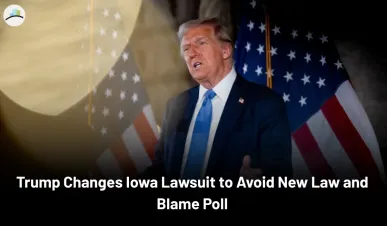
Trump’s Iowa Lawsuit Shift: A Smart Move or a Bigger Problem?
Former U.S. President Donald Trump just made a surprising legal move — he dropped his lawsuit in federal court against a newspaper and pollster in Iowa and refiled the same case in a state court, just a day before a new law was going to make these kinds of lawsuits harder to win.
Let’s break down why he did this and why it actually matters more than most people think.
Trump drops lawsuit against the Des Moines Register and Ann Selzer over her late-campaign poll showing Kamala Harris in play in Iowa. https://t.co/iea4pAqtm5 pic.twitter.com/5vPuD8SWSL
— Kyle Cheney (@kyledcheney) June 30, 2025
Why Trump Changed the Court
So here’s the thing. There’s a new law in Iowa that’s starting July 1. This law is supposed to protect news organizations and polling companies from lawsuits that seem more like intimidation than real legal complaints. It’s meant to stop people from suing just because they don’t like what’s being reported or published.
But Trump refiled his case on June 30, one day before this law kicked in. That timing doesn’t look random at all. It honestly feels like a planned move to avoid the law and keep the case alive. And this time, he also added more names to the lawsuit—like a few local politicians who also felt the poll was misleading or damaging.
So basically, by moving the case from federal to state court and filing just before the law changed, Trump found a legal loophole. He made sure the new protections wouldn't apply to his lawsuit. Whether you think that’s smart or sneaky kind of depends on which side you’re on.
What This Could Mean for Journalists and Pollsters
This case might seem like just another Trump headline, but it could actually create real problems for newsrooms and polling agencies. If people start suing every time a poll doesn’t match what really happens, then who’s going to feel safe doing polls or reporting tough stories?
Think about it:
-
Newsrooms might get scared of being sued and stop publishing bold or honest stories.
-
Polling companies may stop sharing early election data if they fear being dragged into court.
-
Smaller media outlets might not have the money to fight lawsuits, even if they’re totally right.
So, this isn’t just about Trump. It’s about whether journalists and pollsters will keep speaking freely in the future or start playing it safe because they’re afraid of being sued.
More Articles:
Is This a New Tactic in Politics?
Honestly, this whole thing feels like a new playbook for political leaders—especially powerful ones. Instead of just using press conferences or social media, now they’re using courts to go after stories they don’t like. And if this works for Trump, others might try the same thing.
A few things that might happen next:
-
Politicians in other states might copy this approach—filing cases just before similar media protection laws begin.
-
Courts might see more of these lawsuits, which aren’t really about justice but more about sending a message.
-
Voters might get less information if the media becomes too cautious.
This could change how elections feel. Instead of focusing on ideas and plans, we might see more battles over who can control the story.
What Should We Watch For Next?
This case could take months, maybe even years, to play out. But here’s what we should be watching for:
-
How the Iowa court reacts: If they agree to move forward with the case, it could open the door to more lawsuits like this.
-
If other politicians follow Trump’s example: Especially in election-heavy states where polls matter a lot.
-
How the media responds: Do they push back and stay bold? Or do they start softening what they publish?
No one really knows how this will end. But it’s not just about a poll or a lawsuit anymore. It’s about who gets to shape public opinion—and whether truth can be challenged just because it’s uncomfortable.



