
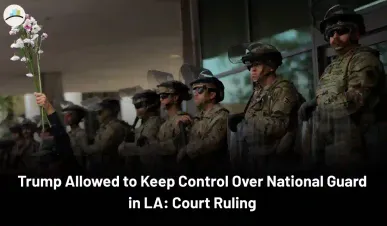
So, here’s the deal. The Ninth Circuit Court of Appeals just ruled that President Trump can still keep control over the California National Guard in Los Angeles, at least for now. This ruling temporarily overrides a lower court decision that said the troops should be sent back under state control. It’s all because the legal battle is still ongoing, and the appeals court decided the status quo should stay while the case moves forward.
Trump can keep control of National Guard troops deployed to Los Angeles, appeals court rules https://t.co/m0A8Df8u12 pic.twitter.com/OcCVX4goXZ
— New York Post (@nypost) June 20, 2025
What's Going On?
This whole issue started when President Trump decided to federalize the National Guard in California. The Guard was deployed to help with federal immigration enforcement in Los Angeles during protests against deportation raids. The state of California, led by Governor Gavin Newsom, didn’t agree with this move and filed a lawsuit. They argued that the president didn’t have the right to send the National Guard without the governor’s permission.
At first, a district court sided with California and said the troops should return to state control. But now, the Ninth Circuit has stepped in and allowed the federal government to keep control of the Guard for the time being.
Why Is This a Big Deal?
Honestly, this is about more than just sending in some troops. It’s about the power struggle between the state and federal governments. The appeals court said the president does have the authority to federalize the National Guard, but this doesn’t mean the fight is over. There are still bigger questions about whether the military should be used for law enforcement during protests, and how much power the federal government can use without stepping on the states' toes.
This ruling doesn’t settle the larger constitutional issues, but it does mean the situation won’t change immediately. The court will keep looking at this case, and we’re likely to see more legal drama before it’s all said and done.
What Happens Next?
So, for now, the National Guard will stay under federal control. The legal battle will continue, and depending on how things go, this case might set some important precedents for the future. Will it make it harder for states to control their own National Guard troops? Could this impact how the military is used in civilian situations down the line? That’s something we’ll have to wait and see.
The protests in LA aren’t stopping either. Tensions remain high, and with the National Guard involved, it’s only adding more pressure to the already strained situation. People are watching closely to see how this plays out, especially those who care about the balance of power between the state and the federal government.
Read More:
What Does This Mean for the Future?
If this case ends up going all the way to a final decision, it could change how the military is used in protests or unrest. The court could end up clarifying whether the president really has the authority to override a state's wishes when it comes to deploying National Guard troops.
This case might also shape future decisions about the role of the military in American civil life. If this decision sets a precedent, we could see more federal involvement in situations that used to be handled at the state level, which could change the way protests or riots are dealt with in the future.
Final Thoughts
The Ninth Circuit’s decision is just a temporary one, and the fight is far from over. Whether or not the National Guard stays under federal control will depend on how the courts rule in the coming months. For now, though, it’s another chapter in the ongoing struggle over state vs. federal powers. And as things heat up in LA, it’s clear this case will have some serious long-term consequences, no matter how it ends.



