
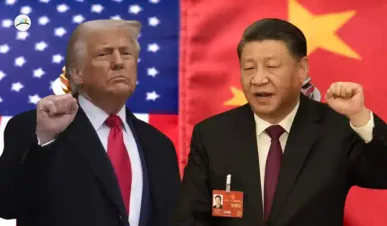
President Donald Trump recently expressed his frustration with China, accusing the country of violating a trade agreement. He had previously reduced tariffs to facilitate negotiations, but now claims that China has not upheld its end of the deal. Trump's comments suggest a shift towards a more confrontational approach in trade relations.
Legal Challenges to Tariff Policies
At the same time, Trump's tariff policies are facing legal scrutiny. The U.S. Court of International Trade ruled that the administration overstepped its authority by imposing broad tariffs under the International Emergency Economic Powers Act (IEEPA).
Also Read on Procapitas
The court found that these tariffs were not justified under the claimed national emergencies. However, a federal appeals court has temporarily reinstated the tariffs pending further review, leaving their future uncertain.
Market Reactions and Economic Implications
The legal developments have had immediate effects on financial markets. Following the initial court ruling against the tariffs, U.S. stock futures rose, reflecting investor optimism about potential easing of trade tensions.
However, the subsequent reinstatement of the tariffs by the appeals court has introduced renewed uncertainty. Economists suggest that if the tariffs are ultimately removed, it could alleviate inflationary pressures and reduce costs for consumers.
Looking Ahead
As the legal battles continue, the Trump administration faces challenges in maintaining its tariff strategies. The outcome of these cases could have significant implications for U.S. trade policy and the broader economy. Observers are closely monitoring the situation, anticipating further developments in both the legal arena and international trade relations.



