
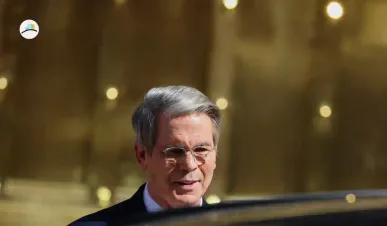
Trade negotiations between the United States and China are facing renewed uncertainty, as Treasury Secretary Scott Bessent acknowledged a slowdown in progress and suggested that a direct intervention from President Donald Trump and Chinese President Xi Jinping may now be essential to advance discussions.
90-Day Tariff Truce Stalls Amid Lingering Disputes
The two global powers agreed to a 90-day tariff truce earlier this month, with the U.S. lowering tariffs on Chinese imports from 145% to 30%, while China reciprocated by reducing duties on American goods from 125% to 10%. The move had been widely interpreted as a short-term tactical pause to make room for deeper negotiations.
However, according to Bessent, the talks have since "stalled a bit." While technical-level dialogues continue, officials have failed to bridge key differences related to digital trade, state subsidies, and cross-border data access.
“Both sides are still talking. But it may require a direct leader-to-leader dialogue to move things forward,” Bessent said during a closed-door policy forum in Washington.
Broader Trade Policy Context
The Treasury Secretary also noted that the U.S. is simultaneously negotiating trade arrangements with Japan and the European Union. Talks with Brussels resumed following the Trump administration's renewed tariff threats, and discussions with Tokyo are “constructive,” according to Bessent.
While legal uncertainty looms over parts of the administration’s tariff regime—particularly after a U.S. trade court ruled that some of Trump's executive actions overreached constitutional limits—an appeals court has temporarily reinstated those tariffs pending review.
Also Read:
German Giant RENK Poaches Auto Engineers Amidst EV Shift, Finding Unexpected Success
United Returns to JFK — JetBlue Partnership Promises More Flights, Better Deals
Geopolitical Calculations and Economic Stakes
A prolonged deadlock with China could complicate the administration's efforts to reindustrialize critical supply chains and maintain leverage in Indo-Pacific security dialogues. Beijing, meanwhile, is under pressure to revive foreign investor confidence and curb a persistent capital flight trend.
Investors and multinationals are watching closely. Equity markets, already jittery from fiscal tightening signals and recent regulatory crackdowns on Chinese firms, may react sharply to any indication of breakdown in U.S.–China trade talks.
Source: As reported by CNBC



