
What Happened?
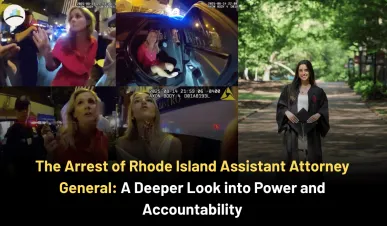
On August 14, 2025, Rhode Island Assistant Attorney General Devon Hogan Flanagan found herself at the center of a controversial arrest in Newport. Flanagan, along with her companion Veronica Hannan, was detained for trespassing after an altercation with local police at the Clarke Cooke House. Bodycam footage from the officers showed Flanagan repeatedly identifying herself as an Assistant AG, attempting to use her position as leverage in the confrontation. Despite her efforts to have officers deactivate their body cameras, the situation escalated, and both women were arrested. Flanagan faces charges of willful trespassing, while Hannan is charged with disorderly conduct and resisting arrest.
On Thursday night, Special Assistant Attorney General Devon Hogan Flanagan, a Democrat-appointed prosecutor with the Rhode Island Attorney General's office, was arrested in Newport after refusing to leave a restaurant and berating responding officers with her supposed "status." pic.twitter.com/lV8S5AGqcW
— ☢️ Limp Britzkit ☢️ (@freedomislethal) August 19, 2025
A Closer Look: Why Did This Happen?
While the incident may seem like a straightforward case of trespassing, there are deeper layers at play. Flanagan’s actions raise questions about how public officials use their authority in everyday situations. Her attempt to wield her position as a bargaining chip for personal gain brings up concerns about the abuse of power in government roles. The situation also highlights the blurred lines between personal conduct and professional responsibilities, especially for those in high-profile positions such as an Assistant AG.
One key question here is why Flanagan felt emboldened enough to act in this manner. Was it a moment of poor judgment, or does it reflect a larger cultural issue within Rhode Island’s legal system regarding accountability and the use of power?
The Underlying Issue: The Impact of Power Dynamics
What isn’t being discussed enough is how this event underscores the systemic challenges we face when it comes to accountability within the legal profession, especially at higher levels. Public servants, like Assistant AGs, are often afforded significant influence and authority in their professional capacities. Yet, incidents like these expose the fragile nature of that trust between government officials and the public they serve.
In many ways, Flanagan’s behavior mirrors a broader pattern where those in power, whether in the political, legal, or business sectors, may feel that they are beyond reproach. This phenomenon isn't unique to Rhode Island, nor to any one jurisdiction, but occurs in various parts of the world where authority can sometimes morph into entitlement. The events in Newport are an example of how unchecked authority can challenge public confidence in institutions designed to uphold fairness and justice.
MORE ARTICLES:
What’s Not Being Said: The Consequences of Public Scrutiny
The consequences of this incident extend beyond just the legal ramifications for Flanagan and Hannan. The arrest has already sparked public discussions about the integrity of government offices and how easily a lapse in personal conduct can tarnish a public servant's career. However, the conversation should also address the broader implications for trust in the justice system. This incident may cause citizens to question whether those entrusted with enforcing the law are, in fact, acting within the law themselves.
Additionally, the political fallout may have long-term effects on Rhode Island’s Attorney General's office. Even if Flanagan were to face disciplinary action, the perception of bias and entitlement among legal professionals could persist, undermining the credibility of the office in the eyes of the public.
Hidden Risks and Opportunities
While the risks are clear, there are potential opportunities here as well. For one, this incident could serve as a much-needed catalyst for reform within the Rhode Island Attorney General's office. The scrutiny surrounding this case could lead to a reevaluation of how public officials are held accountable, especially when it comes to personal conduct that can reflect poorly on their professional duties.
Furthermore, from a business perspective, this case could prompt other states to reconsider their own policies and procedures around the conduct of public officials, particularly in how they deal with incidents that could be seen as abuses of power. In the broader political climate, this could fuel calls for transparency and stronger oversight of public servants’ behavior, which would ultimately benefit the public and restore trust in the system.
Historical Parallels: When Power Was Misused
Flanagan’s arrest draws interesting parallels to other incidents throughout history where public figures have used their position for personal gain or engaged in behavior that undermines their authority. A notable historical example is the Watergate scandal, where figures in the Nixon administration abused their positions of power, leading to widespread public distrust in the government. While the circumstances are different, the fundamental issue of abusing power for personal benefit remains a common thread.
What Happens Next?
The aftermath of Flanagan’s arrest will undoubtedly have repercussions both for her career and for the Rhode Island Attorney General's office. A full investigation and review by AG Peter Neronha’s office is expected, and Flanagan may face disciplinary action, including a possible suspension. However, the case serves as a stark reminder of the challenges of maintaining the integrity of public institutions, even in the most progressive states.
In the end, this incident raises significant questions about accountability, power, and the role of public officials in shaping the trust between citizens and the institutions that serve them. Rhode Island, like many other places, now faces an opportunity to address these systemic issues head-on.
Conclusion: A Call for Reflection
While the arrest of Devon Flanagan may seem like a single isolated incident, it serves as a powerful reminder of the importance of ethical conduct within government offices. The hidden risks of such events are clear: the erosion of trust in public institutions, the blurred lines between personal and professional actions, and the potential long-term damage to careers that result from momentary lapses in judgment. As Rhode Island navigates the aftermath, the broader implications for governance, law enforcement, and public accountability are ripe for discussion.
In the end, this event is not just about one person’s actions, but rather about how the system reacts to and learns from these moments of failure. Will Rhode Island’s leadership use this opportunity to make meaningful changes, or will it simply be swept under the rug? Only time will tell.



