
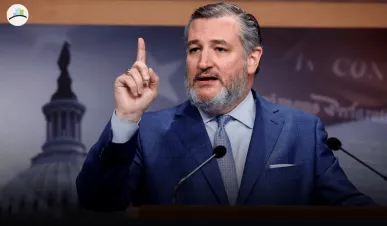
Ted Cruz, the U.S. Senator from Texas, has once again found himself at the center of controversy after being photographed boarding a plane to Laguna Beach, California just as a severe winter storm was set to hit his home state. This incident has reignited a long-standing debate over Cruz's travel choices and political priorities, especially after his infamous 2021 Cancun trip during another winter crisis in Texas.
The Controversial Flight
In the midst of heavy winter weather warnings for Texas, Cruz was seen boarding a flight to Laguna Beach, raising eyebrows across the country. The timing of this trip immediately sparked criticism, with many questioning whether it was appropriate for the senator to leave during such a critical time when residents were bracing for ice storms and power outages.
Cruz’s travel choice triggered memories of the 2021 winter storm, where he faced widespread backlash for traveling to Cancun while millions of Texans struggled with power failures, freezing temperatures, and dangerous road conditions. His critics argue that such trips show a lack of responsibility and leadership, especially in times of crisis.
Cruz Responds: “Pre‑Planned Trip”
@tedcruz spotted fleeing to sunny California ( his favorite place ) days before a winter storm is set to shut down roads, airports, & power in Texas.
— Cuckturd (@CattardSlim) January 21, 2026
At least Texas still has Greg Abbott & Trump on the job. 😂 pic.twitter.com/OvU5KJhQzG pic.twitter.com/hdtkjk5Mbi
In response to the outcry, Cruz's office quickly issued a statement clarifying that the trip was a pre‑planned work-related travel. The senator’s team emphasized that the decision to travel to California was made well in advance and that Cruz would be back in Texas before the storm fully impacted the state. They also reassured the public that Cruz’s schedule was adjusted to accommodate his duties in Texas, including efforts to monitor the weather conditions and provide support to those affected.
Despite the official response, many Texans and online commentators were skeptical of the timing, especially considering the history of controversy surrounding Cruz’s travel during emergencies.
MORE ARTICLES:
Public Backlash and Media Reaction
Social media platforms and news outlets quickly reacted to the photos of Cruz boarding the flight. Many people took to Twitter and other channels, reviving the “Fled Cruz” moniker used during his 2021 Cancun incident. Critics expressed frustration, pointing out that such actions made it appear as though Cruz was avoiding responsibility during a time when his state needed leadership most.
Despite the criticisms, Cruz has a loyal base of supporters who defend his actions, arguing that he has the right to take pre‑planned trips for work purposes. They also pointed out that Cruz would return promptly to ensure his duties in Texas were addressed.
Why This Matters Now
Cruz's decision to leave the state during such a critical period taps into larger discussions about political optics and leadership in times of crisis. As a U.S. senator, Cruz holds a position of significant influence and is expected to represent his constituents, especially when natural disasters and emergencies hit. His travels, especially during moments of hardship, can affect how he is perceived by both the public and his political opponents.
This latest incident highlights how elected officials are held to a higher standard, particularly when their actions are seen as ignoring or downplaying the needs of their communities. As Texas faces another round of harsh winter weather, the question of responsibility becomes central to the ongoing political discourse about leadership.
The Road Ahead for Cruz
The controversy surrounding Cruz's travels is likely to stay in the public eye for some time, especially as Texans brace for the storm's impact. With major elections on the horizon, the senator's actions during crises could influence voter perceptions of his leadership abilities.
Regardless of whether Cruz’s actions were justified, the public's reaction to this latest controversy underscores a broader demand for transparency, accountability, and responsible leadership from elected officials, especially when their constituents are in need.



