
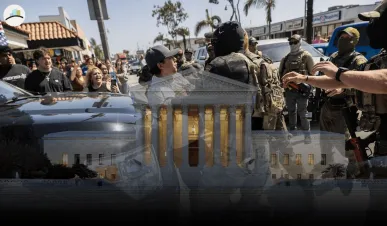
Is the U.S. Supreme Court Opening the Door to Immigration Racial Profiling? A Ruling That Raises Questions
What happens when a court ruling shifts the balance of power on a national scale? The recent U.S. Supreme Court ruling today has done just that, raising concerns about racial profiling and immigration enforcement. With immigration policies under heavy scrutiny, this decision has left many questioning its long-term impact on civil liberties and immigrant communities.
In another major legal twist, Thailand’s Supreme Court made waves by sentencing former Prime Minister Thaksin Shinawatra to jail time. This ruling, too, has ignited debates about political influence and the rule of law. Let’s break down these two significant Supreme Court rulings and explore their broader implications.
The Supreme Court just gave ICE the green light to racially profile people.
— Senator Roland Gutierrez (@RolandForTexas) September 9, 2025
This is a five alarm fire.
First they come for Hispanics, next they will come for you. pic.twitter.com/noNcVn5KSW
MORE ARTICLES:
Supreme Court Ruling on Immigration Enforcement: A Controversial Decision
On September 8, 2025, the U.S. Supreme Court issued a ruling that has raised alarm bells across the nation. The decision lifts restrictions on immigration enforcement, particularly in Los Angeles, where federal immigration agents can now conduct "roving patrols" targeting individuals based on race, language, or ethnicity.
This Supreme Court ruling overturns a lower court decision made by U.S. District Judge Maame Frimpong, who had previously barred such practices, citing violations of the Fourth Amendment that protects against unreasonable searches and seizures. The Supreme Court ruling today effectively authorizes ICE agents to resume aggressive tactics, creating a more controversial immigration enforcement environment.
What Does This Mean for Immigrant Communities?
The ruling has sparked strong reactions from advocates for immigrant rights, who argue that it will lead to racial profiling. Immigrant groups fear the Supreme Court ruling could exacerbate already strained relationships between communities of color and law enforcement. It also raises concerns over potential violations of civil rights and liberties, especially for those living in mixed-status households, where families include both citizens and undocumented members.
Critics like Justice Sonia Sotomayor have condemned the Supreme Court's decision, claiming it gives law enforcement the green light to target and harass individuals based solely on physical appearance or language. For many, this Supreme Court ICE ruling is a step backward in the fight for fair treatment and equal protection under the law.
Reactions From State Leaders
California Governor Gavin Newsom has voiced his opposition to the ruling, warning that this could further escalate the tension between federal authorities and immigrant communities, particularly in California, which has a large immigrant population. Newsom and others have vowed to challenge the ruling through legislative action, highlighting the ongoing battle between state rights and federal authority.
Despite the controversial nature of the Supreme Court ruling, proponents of stricter immigration enforcement argue that these measures are necessary to maintain national security. They believe the ruling strengthens ICE's ability to enforce laws and prevent illegal immigration.
Supreme Court’s Influence Beyond U.S. Borders: Thailand’s Political Drama
Meanwhile, across the globe in Thailand, the Supreme Court's ruling has caused its own stir, albeit in the realm of political power. On September 8, 2025, Thailand's Supreme Court ruled that former Prime Minister Thaksin Shinawatra must serve one year in prison for an earlier case involving corruption charges.
This Supreme Court ruling came after Thaksin had been serving time under house arrest in a hospital due to health issues. The court determined that his time in the hospital did not count toward his sentence, stating that the former leader was not seriously ill and should return to prison to serve his sentence. Thaksin, who has been a polarizing figure in Thai politics, accepted the ruling but expressed his commitment to continue his fight for the country's future.
What This Ruling Means for Thailand’s Political Future
The political implications of Thailand’s Supreme Court decision are far-reaching. Thaksin, a businessman turned politician, has been a major influence on Thailand’s political landscape. His family’s involvement in politics has led to multiple legal battles, and the Supreme Court's ruling today is seen by some as a blow to the Shinawatra dynasty.
Critics of the Thai Supreme Court ruling argue that it is politically motivated, aimed at diminishing the power of Thaksin's supporters. The political rivalry between Thaksin and the current ruling government has only deepened, with many seeing this decision as part of an ongoing power struggle in the country.
Analyzing the Broader Implications of These Supreme Court Rulings
Both the U.S. Supreme Court ruling on immigration and the Supreme Court ruling in Thailand highlight the tension between law, power, and societal norms. For immigrant communities in the U.S., the Supreme Court immigration enforcement ruling signifies a significant shift toward more aggressive immigration tactics. On the other hand, Thailand's legal drama points to the lasting impact of political influence within the judicial system.
-
For the U.S., the Supreme Court ruling could set a precedent for future ICE actions across the country. Proponents argue that the ruling is a necessary step in controlling illegal immigration, but opponents worry about the risks of racial profiling and civil rights violations.
-
In Thailand, the Supreme Court’s ruling marks yet another chapter in the ongoing political battle surrounding the Shinawatra family. With political power constantly shifting, it’s unclear how this ruling will impact future elections and the political landscape of the country.
Final Thoughts: Supreme Court Rulings in a Changing World 🌍⚖️
Both of these Supreme Court rulings come at a time when the world is watching closely. In the U.S., the debate over immigration enforcement continues to evolve, with each new Supreme Court ruling shaping the path forward. In Thailand, the court's decisions remind us of the power that judicial bodies hold in shaping political outcomes.
For now, the Supreme Court ICE ruling today has opened a new chapter in the U.S.'s ongoing battle over immigration policy. Similarly, Thailand’s Supreme Court ruling has raised fresh questions about the nature of political power and influence in the country. Both decisions serve as reminders of how legal systems can impact the lives of millions, whether through immigration policies or political struggles.
Stay tuned for further updates on these pivotal Supreme Court decisions and what they mean for the future of justice, equality, and governance.



