
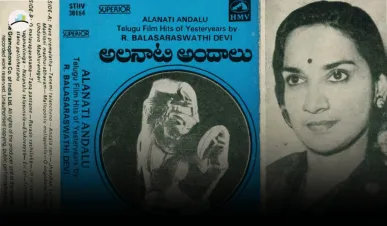
HYDERABAD, INDIA — R. Balasaraswathi Devi, the trailblazer who revolutionized Telugu cinema by pioneering playback singing, passed away on Tuesday at the age of 97 at her Hyderabad residence. Known for her monumental contributions to Indian cinema, Balasaraswathi’s legacy extends beyond her artistry, with an estimated net worth of $1-5 million at the time of her passing.
Balasaraswathi Devi’s financial journey began in 1936, when she received a modest payment of Rs 250 for her debut roles in the films "Sati Anasuya" and "Bhakta Dhruva." Over the course of her 30+ year career, she earned her place as one of the most respected figures in the Telugu and Tamil cinema industries. Her remarkable journey is a testament to her perseverance, talent, and the growth of the Indian film industry over the decades.
MORE ARTICLES:
R. Balasaraswathi Devi’s Financial Timeline: From Humble Beginnings to Global Impact
| Year | Milestone | Earnings/Value |
|---|---|---|
| 1934 | First gramophone record (HMV) at age 6 | Unknown |
| 1936 | Film debut in "Sati Anasuya" and "Bhakta Dhruva" | Rs 250 |
| 1940s | Lead actress roles, Radio performer | Rs 1,000-5,000 per film |
| 1943 | First playback singer role in "Bhagya Lakshmi" | Unknown |
| 1940s-60s | Peak career: Multiple films annually | Rs 5,000-10,000 per film |
| 2025 | Net worth at time of death | $1-5 million |
Her career began as a child artist, earning a modest sum of Rs 250 in her first two films in 1936. As she transitioned to lead roles in the 1940s, her earnings grew steadily, with each film netting her between Rs 1,000 and Rs 5,000. However, it was her groundbreaking work as the first playback singer in Telugu cinema that significantly boosted her financial success. During the 1940s and 50s, playback singing became a major facet of the Indian film industry, and Balasaraswathi was at the forefront of this change.
By the 1950s and 1960s, playback singers in the industry were earning anywhere from Rs 5,000 to Rs 10,000 per film, with Balasaraswathi commanding a prominent position. Despite the major contributions she made to the industry, her earnings were modest compared to modern playback singers, who can now earn Rs 5-50 lakh per song.
A Comparison: Then vs. Now in the Telugu Cinema Industry
| Era | Artist Type | Typical Earnings |
|---|---|---|
| 1930s-1940s | Child actor | Rs 250-500 per film |
| 1940s-1950s | Lead actress | Rs 1,000-5,000 per film |
| 1950s-1960s | Playback singer | Rs 5,000-15,000 per film |
| 2025 | Lead Telugu actor | Rs 60-150 crore per film |
| 2025 | Top playback singer | Rs 5-50 lakh per song |
| 2025 | Music director | Rs 5-10 crore per film |
Net Worth Breakdown at the Time of Her Passing
| Asset Category | Estimated Value |
|---|---|
| Real Estate (Hyderabad) | $500,000 - $2 million |
| Savings & Investments | $300,000 - $1.5 million |
| Other Assets | $200,000 - $1.5 million |
| Total Estimated Net Worth | $1-5 million |
The Pioneer's Legacy: More Than Just Earnings
While R. Balasaraswathi Devi’s net worth was estimated at $1-5 million, the financial impact of her contributions extends far beyond her own wealth. The playback singing model she pioneered has generated billions of dollars for the Indian film industry. Since 1943, the introduction of playback singing allowed film music to flourish, opening doors for thousands of singers and musicians.
This innovative model not only enhanced the quality of music in films but also made movies commercially more viable, creating an industry-wide economic impact that continues today.
Key Financial Insights: What R. Balasaraswathi Achieved
-
First-Mover Disadvantage: While Balasaraswathi established the playback model, she earned far less than those who followed. Modern playback singers can now make in one year what she accumulated in three decades.
-
Revenue Diversification: Her wealth was built on multiple income streams, including acting, playback singing, radio performances, and recording royalties.
-
Property Investment: Her real estate in Hyderabad and Mysore provided long-term value, contributing significantly to her final net worth.
-
No Residual Income: Unlike modern artists, Balasaraswathi didn’t benefit from royalties, streaming revenues, or rights payments, making her financial journey all the more remarkable for her time.
Contemporary Reactions and Legacy
Following her passing, Telangana Chief Minister Revanth Reddy expressed his condolences, calling her contribution to Telugu cinema “irreplaceable.” Despite the accolades and the profound influence she had on the industry, discussions about posthumous awards or financial recognition for her contributions have been minimal.
Balasaraswathi Devi’s legacy is a mix of personal accomplishment and the economic revolution she sparked within the music and film industries. Her ability to turn a humble Rs 250 into a multi-million-dollar legacy is a testament to the power of vision, hard work, and strategic financial decisions. While the monetary reward she received during her lifetime may seem modest compared to today's standards, her influence on the film and music industries is immeasurable.
Disclaimer: The details in this article are based on available information and estimates from various sources. The figures presented reflect a historical overview of R. Balasaraswathi Devi’s career and personal wealth, but the accuracy of some of the specific financial figures may vary.



