
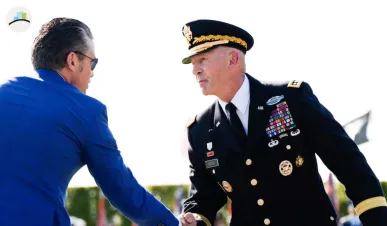
In a major shake‑up of the Pentagon’s leadership on April 3, 2026, Defense Secretary Pete Hegseth has asked General Randy George, the Chief of Staff of the United States Army, to step down and take immediate retirement from his post. This abrupt change marks one of the most unusual dismissals of a senior military leader in recent US history.
Breaking News: Defense Secretary Pete Hegseth fired the Army’s top general, reflecting his ongoing grievances with the Army, officials said. https://t.co/1GvafQkjs0
— The New York Times (@nytimes) April 2, 2026
The decision comes amid rising tensions with Iran and ongoing military operations in the Middle East. While the Pentagon has not given an official reason, sources say Hegseth wants military leadership aligned with the strategic vision of President Donald Trump and the defense secretary.
General George is widely respected within the Army and had been expected to serve a four‑year term that began in 2023. His early retirement interrupts what was meant to be a full term as the 41st US Army Chief of Staff.
Who Is General Randy George?
General Randy Alan George, born in 1964, has had a long and distinguished military career. A graduate of the United States Military Academy at West Point, he rose through the ranks from enlisted soldier to one of the Army’s top leaders. Before becoming Army chief of staff, George served as Vice Chief of Staff of the Army and held command roles in major combat zones, including Iraq and Afghanistan.
George was appointed by President Joe Biden in 2023 and had experience spanning multiple conflicts and leadership posts over decades. His sudden removal has raised questions about changing priorities within US defense leadership.
Why This Change Is Significant
Removing a senior military leader like the Army Chief of Staff during ongoing overseas operations is extremely uncommon. Pentagon officials have not publicly explained the specifics of the decision, but insiders whisper that Hegseth seeks leaders who fully support his and President Trump’s vision for the Army’s future particularly during the heightened conflict with Iran.
This move is part of a broader trend under Hegseth’s tenure, which already includes the removal of several top leaders across branches of the US military. Among those previously dismissed were the Chairman of the Joint Chiefs, the Chief of Naval Operations, and other high‑ranking officers, indicating a substantial reshuffle.
MORE ARTICLES:
Who Will Lead Next? Acting Army Chief Takes Over
With George’s retirement effective immediately, General Christopher LaNeve, the Vice Chief of Staff of the Army, is set to serve as Acting Army Chief of Staff. LaNeve is a seasoned commander, having led the elite 82nd Airborne Division, and previously served as Hegseth’s military aide — positioning him as a trusted choice for interim leadership.
While LaNeve stabilizes the top Army post, questions remain about who may be nominated as the permanent Army chief and how the leadership shift will impact operations tied to global conflicts.
How the Military and Public Are Reacting
The news sparked a mix of reactions across political and military circles. Some view the change as a political move, given Hegseth’s previous controversial decisions and deep ties to the Trump administration. Others argue it’s part of normal leadership transition, given the evolving strategic demands facing the US Army.
Despite the abrupt nature of the dismissal, Pentagon officials quickly expressed gratitude for General George’s decades of service, recognizing his contributions to national defense and thanking him for his commitment.



