
Operation Sindoor was launched by India in May 2025 in response to a deadly terror attack in Pahalgam, Jammu and Kashmir, carried out by Pakistan‑based terror groups. The offensive targeted terror infrastructure in Pakistan and Pakistan‑occupied Kashmir (PoK), with India eliminating significant threats and striking multiple terror camps. One of the goals behind the operation was to dismantle the command and support structures that enabled cross‑border terrorism.
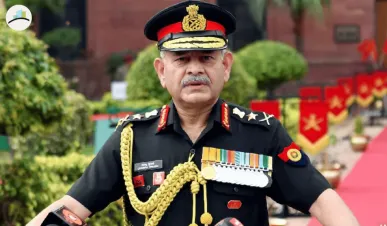
Months later, India’s Army Chief, General Upendra Dwivedi, has sent a clear and firm message to Islamabad: Operation Sindoor is still ongoing, and the Indian armed forces are prepared to respond resolutely to any future misadventure.
This statement not only reflects India’s current security posture but also serves as a strategic deterrent message to Pakistan and terror sponsors — signaling that India will not shy away from decisive action if provocations resume.
Army Chief’s Message: Stern and Strategic
In a recent press briefing, General Dwivedi underlined that Operation Sindoor was executed with precision, with full freedom to act and a clear political directive that showcased tri‑service synergy — meaning the Army, Air Force, and Navy worked together seamlessly.
He emphasized that the operation is not just a concluded event; it continues to influence security calculations along the western frontier and in Jammu and Kashmir’s counter‑terror efforts, where active local terrorist numbers have declined significantly.
General Dwivedi’s message included a stark warning: any future misadventure or support for terrorism from across the border will be “dealt with effectively.” This is not just military bravado — it’s a calculated signal intended to deter further escalation.
Why This Warning Matters
There are a few major reasons this message is significant:
-
Strategic Deterrence: India wants to show that it has the capability and resolve to respond decisively if terrorism or cross‑border aggression resumes.
-
Long Term Pressure: By asserting that Operation Sindoor is still relevant, India isn’t letting the narrative fade — it sustains pressure on those who may sponsor or enable terrorism.
-
Military Readiness: The statement underscores that India’s military remains alert, prepared, and integrated across all services — not just reactive but ready if required again.
This kind of messaging isn’t just about the present; it’s designed to shape regional strategic expectations, making it clear that any hostile act — whether terror strikes or military incursions — could provoke a response.
A Look Back at Operation Sindoor’s Impact
When Operation Sindoor first began in May 2025, it was a decisive tactical response to a terror attack that killed civilians in Jammu and Kashmir. During the initial 88‑hour phase:
-
India struck terror launch pads and infrastructure deep inside PoK and Pakistan.
-
Several high‑value terror targets were neutralized with minimal collateral damage.
-
Heavy aerial threats, including drones and missiles allegedly from Pakistan, were intercepted by India’s air defenses.
The operation also coincided with heightened diplomatic efforts, international mediation attempts, and ceasefire talks. While formal military confrontation paused, the underlying tension remained, and Dwivedi’s recent comments reaffirm that India’s security strategy continues to adapt accordingly.
Regional Aftermath: How Pakistan Responded
Recent developments indicate that Pakistan’s internal military changes and strategic adjustments reflect the impact Sindoor had on its defense calculus. The Chief of Defence Staff of Pakistan, General Anil Chauhan, noted that military and constitutional changes in Pakistan were driven partly by the need to acknowledge operational shortcomings revealed during the conflict.
This serves to underline an important point: even when military exchanges go into a ceasefire, the strategic effects of operations like Sindoor continue to shape defense policies and perceptions across borders.
MORE ARTICLES:
What This Means Going Forward
So what does it all mean?
-
India will maintain a strong defensive posture and an ability to respond to threats decisively — not just with words but with capability.
-
Pakistan is likely to face continued pressure from Indian messaging and posture, even during diplomatic pauses.
-
Terror networks and state sponsors are warned clearly that any restart of aggression or terrorism sponsorship won’t be ignored.
Mental equilibrium between deterrence and diplomatic engagement is now India’s stated approach: continue vigilance while remaining open to peaceful overtures — but always ready if peace is broken.



