
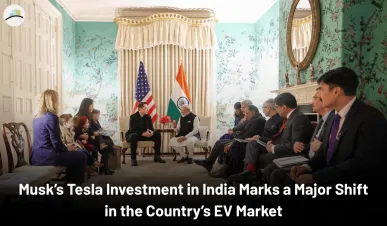
A New Chapter for Musk and India
Elon Musk’s growing relationship with India isn’t just a story about meetings and talks anymore. It’s turning into something real, and honestly, it's getting interesting. Over the past few months, Musk has been making it clear that he’s serious about expanding his companies into India. The latest reports suggest that Tesla is considering a $3 billion investment to build a manufacturing plant there, which could eventually produce up to 500,000 electric vehicles a year. This is huge for both Musk and India, as it could push India’s electric vehicle (EV) market to the next level.
But while this sounds great on paper, the reality is more complicated. Musk’s companies—Tesla and SpaceX—are aligning their strategies with India’s national goals like “Digital India” and “Make in India.” These initiatives focus on boosting tech innovation and local manufacturing. But here’s the thing: it’s not as simple as just showing up and building factories. There are serious hurdles Musk’s companies will have to navigate if they want to thrive in India.
With @Starlink & @Tesla , billionaire Elon Musk seems set his eyes on India for a turnaround of his fortune, but it wouldn’t be an easy ride for his EV biz due to its price & the current pace of EV penetration (7.8% in FY25). However, his satellite biz could be a game-changer. pic.twitter.com/sNIwiBVC6k
— Debasis Barik (@DebasisJourno) July 17, 2025
Why Musk’s Move Matters
What’s really important about Musk’s growing interest in India is that it signals more than just a business deal. It’s about global influence. India is on the rise as a key player in tech and manufacturing, and Musk is smart to tap into that. Not only does India have a large consumer base, but it’s also positioning itself as a global tech hub. But let’s be honest here—Musk’s ventures are not going to just fit into India without a lot of back and forth with the government and local businesses. There’s a lot of bureaucracy to work through, and foreign companies have often been turned away by India's high import taxes and complex regulations.
That said, India is trying to fix these issues. The government has already lowered some import duties for manufacturers who promise to build and produce locally. So, Musk might just find the environment more welcoming than other foreign investors have in the past. The question is, will India’s policy changes actually be enough to attract Musk’s big plans for Tesla?
What Could Go Wrong?
Here’s where it gets a bit tricky. While India is starting to open its doors wider to foreign investors, the path isn’t smooth. Import duties and regulatory red tape still pose a big problem. Plus, let’s not forget that India has had a history of protectionist policies, and that’s not something Musk can easily ignore. Even if the government makes moves to create a more attractive environment for foreign businesses, there are still some big risks, like delays in getting approvals or changes in local rules that might make the investment harder to maintain.
Another risk is competition. India is already home to local EV manufacturers that might not take kindly to Tesla’s sudden presence. This is a fast-moving market with its own players, and Tesla might face challenges not just from regulations but also from local competition trying to grab a piece of the pie.
More Articles:
The Real Opportunity for India
So, what does India really get out of this? It’s not just about having a Tesla factory. Yes, that’s exciting, and it can definitely boost local job creation, but there’s also a broader opportunity here. If India successfully attracts companies like Tesla, it could position itself as a global leader in sustainable technology and clean energy, making the country even more attractive for other international companies. It would also create a ripple effect, with a boost to everything from local suppliers to the tech ecosystem.
But this isn’t just a win for India’s economy. It’s a win for its global reputation. If India can make itself the home of high-tech companies like Tesla, it will enhance its status on the world stage. It’s clear that the stakes here go beyond just a manufacturing plant—they’re about positioning India as a force to be reckoned with in the global tech race.
Conclusion
Musk’s growing relationship with India is definitely worth watching. While the investment potential is massive, there are still challenges ahead. India’s market could become the launchpad Musk needs for his EV plans, but it’s going to take more than just a good business deal. It’s about overcoming bureaucracy, handling competition, and making sure that both Musk’s companies and India’s policies are aligned. The coming months and years will tell whether this is the beginning of something truly game-changing—or if it’s just another in a long line of ambitious projects that face too many obstacles to succeed.



