
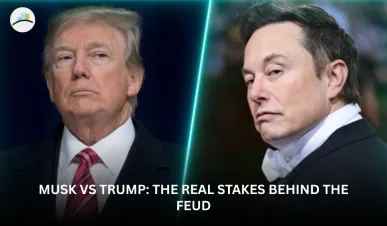
What began as a series of offhand remarks has now morphed into a full-blown digital tug-of-war between two of the most influential—and polarizing—figures in American life: Elon Musk and Donald Trump. Musk’s recent sly jab in response to Trump’s fiery and unscripted comments about him has once again ignited a public feud that goes far beyond personal ego.
But beneath the headlines and viral quotes lies a more telling story about shifting power dynamics in politics, media, and influence in a critical election year.
If you strip away the egos and shitposting, the Trump-Musk feud is really an argument over how comprehensively to screw over poor and working people—over how best to make our society a meaner, crueler, less equal, more savage place.
— Greg Sargent (@GregTSargent) June 6, 2025
New piece from me:https://t.co/B0hdaZFZE7
Why Is This Important?
This isn't just a celebrity spat—it’s a preview of how political capital and tech-driven influence will collide in the 2024 election cycle and beyond. As Trump leans into his base with inflammatory rhetoric, Musk is quietly shaping the architecture of digital discourse—from owning X (formerly Twitter) to driving AI and space policy conversations.
This clash isn't about personalities; it's about power in a post-traditional media landscape.
What’s Not Being Discussed Enough?
1. The Tech Platform Factor: Musk Controls the Megaphone
Musk’s ownership of X gives him unprecedented reach, allowing him to steer public sentiment and, in many ways, shape the narrative. Trump’s Truth Social, while loyalist-driven, lacks the cross-aisle influence of Musk’s platforms. This feud may mark the beginning of a new kind of political influencer war—where control of distribution channels is as important as the message.
Implication: As X becomes the main battlefield for cultural and political narratives, its moderation policies and ad revenue strategies could have real electoral consequences.
More Articles:
2. Underrated Business Risks for Musk
While Musk's fan base applauds his independence, investors may not. Tensions with Trump—who has a loyal and economically active supporter base—could create reputational risk for Musk's ventures. Tesla, SpaceX, and even Neuralink are now intertwined with public perception. A prolonged feud might alienate a key portion of the American market.
Historical parallel: In 2016, NFL ratings dipped as political controversy collided with brand loyalty. The same could happen to Musk-owned ventures if this escalates.
3. A Silent Battle for the Future of Conservatism
Trump represents the populist, anti-elite face of conservatism. Musk represents a new, techno-libertarian ideology: free speech absolutism, AI governance skepticism, and decentralized innovation. This feud may mark an early ideological fault line between two potential futures for the right-wing electorate.
Opportunity: If Musk throws even tacit support behind a third-party candidate or takes a stronger stance on political matters, it could splinter the conservative base in ways not seen since Ross Perot in the 1990s.
4. Economic and Policy Spillover
Don’t underestimate the influence this feud could have on upcoming legislation—especially around tech regulation, space policy, and AI. Trump has previously attacked regulatory bodies. Musk is actively lobbying to shape them. If Trump regains office, the feud could lead to punitive moves against Musk-led industries.
Example: The 2023 tensions between India’s ruling party and Twitter saw regulatory backlash that reshaped the country’s digital policy. Similar retaliatory patterns are possible in the U.S.
Conclusion: The Clash of the Titans Is Just Getting Started
This isn’t just about two billionaires with oversized egos. It’s a signal flare for deeper battles over who controls influence in the digital age. Trump is fighting the old-school political war with rallies and rhetoric. Musk is waging a new one—through platforms, code, and cultural shifts.
The outcome of this feud may tell us more about the future of power than any campaign ad ever could.



