
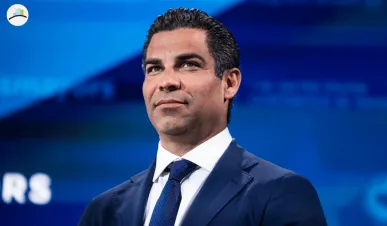
Miami is in the midst of a political shift. With the election of Eileen Higgins as mayor, the city is seeing a change in leadership that reflects not just a political shift, but a changing city dynamic. This is the first time in decades that a Democratic mayor has taken office, breaking a long-standing pattern. However, this story goes beyond just party lines. It’s about how Miami is grappling with its growth, diversity, and the pressures of modern challenges.
City of Miami was under no requirement to sign its police-ICE collaboration agreement and the commissioners did so anyways in a narrow 3-2 vote. It’s time for the new mayor and commissioners to correct this mistake and exit the agreement. https://t.co/QKEcNNj2ZS
— Thomas Kennedy (@tomaskenn) February 20, 2026
A Changing Miami: Not Just Politically, But Culturally
Miami is evolving quickly, and its leadership needs to keep up. The city is not just becoming more diverse, but also facing new issues that residents can no longer ignore. There are skyrocketing housing costs, traffic gridlocks, and climate change threatening the area’s very existence. With all these growing challenges, residents are asking for a leadership that listens and acts.
Higgins’ victory isn’t just about a shift in political party. It reflects what Miamians truly care about: affordable housing, better public transportation, and climate change action. Her election marks a desire for practical solutions, not just political debates.
MORE ARTICLES:
The Importance of Trust and Integrity in Leadership
Miami’s election is set against a backdrop of increasing concern about trust in leadership. While Higgins is taking office with clear goals to tackle issues that affect daily life, the city’s political landscape is also dealing with the aftermath of a legal case involving a former mayor. The case of Philippe Bien‑Aime, who is under scrutiny for his citizenship status and legal actions during his time in office, highlights a critical question about leadership — not just who is in charge, but how they are vetted.
The legal fight around Bien‑Aime raises doubts for many residents. If elected officials aren’t carefully scrutinized or held accountable, what does that mean for the city moving forward? This is something voters in Miami are paying close attention to — and it’s something that cannot be ignored by Higgins or future leaders.
More Than a Political Shift — What Miami Wants
What sets this election apart is that it’s not just about party politics. Miami is at a crossroads. The city is growing, but so are its challenges. People want action, not just talk. Voters are more focused on what affects them day-to-day — affordable living, better services, and solutions to the climate crisis. They want a mayor who understands the issues they face, and that’s what Higgins represents: a chance for the city to confront its challenges head-on with practical and thoughtful solutions.
At the same time, it’s clear that trust plays a huge role in how leadership is perceived. It’s not just about what a mayor promises but how they govern. And in this, Miami is looking for leaders who are as transparent as they are effective.
What’s Next for Miami?
As Higgins takes office, the city must continue its rapid transformation while addressing the real issues that affect everyday life for its residents. While her political victory is a significant shift, the real work begins now. Miami needs leadership that’s ready to face the tough decisions head-on, whether it’s tackling climate change, improving housing affordability, or ensuring that everyone in the community is represented.
In the context of the Bien‑Aime case, it’s clear that Miamians want more than just politicians who can talk a good game. They need leaders who are held accountable, who have integrity, and who are committed to serving the community above all else. Whether Higgins can succeed in this depends on her ability to meet the expectations of a city that is constantly evolving and under pressure to meet its growing needs.
Conclusion: The Future of Miami’s Leadership
Miami’s new mayor, Eileen Higgins, has a lot on her plate. Her leadership represents a shift in how Miami will address its diverse challenges, and how it will deal with questions of trust and accountability. But the future of Miami’s leadership isn’t just about political affiliation or who’s in charge—it’s about solving real problems and ensuring that leadership remains honest, transparent, and accountable to its people. In this new chapter for Miami, the focus should be on results, not rhetoric, and it’s up to Higgins to prove that she’s ready to guide the city into its next era.



